

What we do

We connect exceptional people to exceptional companies.

Your trusted executive search partner, combining industry and functional expertise with global reach and local insight.

Blank white image.

Your Partner For Executive Hiring Success

We Connect Exceptional People
To Exceptional Companies

Our Track Record

0 +
Years Of Experience
0
Leaders Placed Globally
0
Companies Helped
0 %
Repeat Clients

Our Track Record

0 +

years of experience

0

leaders placed globally

0

companies helped

0 %

repeat clients

Global Reach.

Local Expertise.

Real Impact.

With offices in Australia, Singapore, Hong Kong, London and Manila, our teams work together across borders to connect people, opportunities, and industries globally.

Asia

20 Anson Road, 19-01, 079912,

Singapore

28 Stanley Street,

Hong Kong

Australia

Level 43,l43/25 Martin Place, NSW 2000,

Sydney

Level 7/180 Flinders St, VIC 3000

Melbourne

Europe

Sable International,

18 St. Swithin's Lane,

EC4N 8AD

London, England

Trusted By

Global Reach.

Local Expertise.

Real Impact.

With offices in Australia, Singapore, Hong Kong, London and Manila, our teams work together across borders to connect people, opportunities, and industries globally.

Asia

Singapore

Hong Kong

Australia

Sydney

Melbourne

Europe

London

Global Reach.

Local Expertise.

Real Impact.

With offices in Australia, Singapore, Hong Kong, London and Manila, our teams work together across borders to connect people, opportunities, and industries globally.

Asia

20 Anson Road, 19-01, 079912,

Singapore

White arrow pointing right in a dark blue circle.

28 Stanley Street,

Hong Kong

White arrow pointing right on a dark blue circle.

Australia

l43/25 Martin Place, NSW 2000,

Sydney

White arrow pointing right, on a dark blue circle.

Level 7/180 Flinders St, VIC 3000

Melbourne

White arrow pointing right on a dark blue circle.

Europe

Sable International,

18 St. Swithin's Lane,

EC4N 8AD

London, England

White arrow pointing right, on a dark blue circle.

Trusted By

Trusted By

What Our Partners Say

Man smiling, wearing a blue pinstripe shirt and dark blazer, against a light gray background.

Lorem Ipsum

Lorem ipsum dolor sit amet, consectetur adipiscing elit. Sed tristique, nisi sed faucibus malesuada, sapien sapien elementum eros, ac commodo lorem nunc eget odio. Integer commodo, enim ut feugiat porta, justo mi ultricies risus, vitae dapibus orci dolor eget ipsum.


Lorem ipsum dolor sit amet, consectetur adipiscing elit. Sed tristique, nisi sed faucibus malesuada, sapien sapien elementum eros, ac commodo lorem nunc eget odio. Integer commodo, enim ut feugiat porta, justo mi ultricies risus, vitae dapibus orci dolor eget ipsum. 

Meet the team

Connect with our team

Lorem ipsum dolor sit amet, consectetur adipiscing elit. Sed tristique, nisi sed faucibus malesuada, sapien sapien elementum eros, ac commodo lorem nunc eget odio. Integer commodo, enim ut feugiat porta, justo mi ultricies risus, vitae dapibus orci dolor eget ipsum.

Lorem ipsum dolor sit amet

Lorem ipsum dolor sit amet, consectetur adipiscing elit. Sed tristique, nisi sed faucibus malesuada, sapien sapien elementum eros, ac commodo lorem nunc eget odio. Integer commodo, enim ut feugiat porta, justo mi ultricies risus, vitae dapibus orci dolor eget ipsum.

What Our Partners Say

Woman smiling, wearing a black top and striped jacket, near a glass wall.
Man smiling, wearing a blue pinstripe shirt and dark blazer, against a light gray background.

Lorem Ipsum

Lorem ipsum dolor sit amet, consectetur adipiscing elit. Sed tristique, nisi sed faucibus malesuada, sapien sapien elementum eros, ac commodo lorem nunc eget odio. Integer commodo, enim ut feugiat porta, justo mi ultricies risus, vitae dapibus orci dolor eget ipsum.


Lorem ipsum dolor sit amet, consectetur adipiscing elit. Sed tristique, nisi sed faucibus malesuada, sapien sapien elementum eros, ac commodo lorem nunc eget odio. Integer commodo, enim ut feugiat porta, justo mi ultricies risus, vitae dapibus orci dolor eget ipsum. 

Meet the team

Connect with our team

Lorem ipsum dolor sit amet, consectetur adipiscing elit. Sed tristique, nisi sed faucibus malesuada, sapien sapien elementum eros, ac commodo lorem nunc eget odio. Integer commodo, enim ut feugiat porta, justo mi ultricies risus, vitae dapibus orci dolor eget ipsum.

Lorem ipsum dolor sit amet

Lorem ipsum dolor sit amet, consectetur adipiscing elit. Sed tristique, nisi sed faucibus malesuada, sapien sapien elementum eros, ac commodo lorem nunc eget odio. Integer commodo, enim ut feugiat porta, justo mi ultricies risus, vitae dapibus orci dolor eget ipsum.

Trusted by

Lorem ipsum dolor

sit amet

Lorem Ipsum

Lorem ipsum dolor sit amet, consectetur adipiscing elit. Sed tristique, nisi sed faucibus malesuada, sapien sapien elementum eros, ac commodo lorem nunc eget odio. Integer commodo, enim ut feugiat porta, justo mi ultricies risus, vitae dapibus orci dolor eget ipsum.


Lorem ipsum dolor sit amet, consectetur adipiscing elit. Sed tristique, nisi sed faucibus malesuada, sapien sapien elementum eros, ac commodo lorem nunc eget odio. Integer commodo, enim ut feugiat porta, justo mi ultricies risus, vitae dapibus orci dolor eget ipsum. 

Our Jobs

Lorem ipsum dolor sit amet, consectetur adipiscing elit. Sed tristique, nisi sed faucibus malesuada, sapien sapien elementum eros, ac commodo lorem nunc eget odio. Integer commodo, enim ut feugiat porta, justo mi ultricies risus, vitae dapibus orci dolor eget ipsum.

Insights Highlights

Latest Report

By Shazamme System User February 24, 2026
This article draws on insights from RMI , a specialist background screening provider. Hiring foreign talent in Singapore comes with a key regulatory responsibility: ensuring that all work pass applications comply with Ministry of Manpower (MOM) standards. Employers must submit verification reports from approved screening providers, complete with an official MOM reference number. Failure to meet these requirements can delay applications, trigger rejections, or even jeopardise hiring plans. With rising competition for skilled talent, understanding how to navigate MOM-compliant background screening is essential for HR teams and hiring managers. Why MOM Compliance Matters MOM requires that educational qualifications and relevant employment history be verified by selected background screening companies. Reports must include a unique MOM reference number to be accepted with Employment Pass, S Pass, or OnePass applications. For employers, this ensures that: Applications are processed efficiently Candidates meet eligibility requirements Compliance obligations are fully documented Without proper screening, organisations risk project delays, financial penalties, and damage to their reputation. Common Pitfalls in Background Screening Even experienced HR teams encounter recurring challenges with MOM verification: Missing or outdated reference numbers – Any report issued before September 2023 may require re-issuance. Incomplete documentation – Missing education or employment verification details can trigger delays. Unverified overseas qualifications – Degrees from foreign institutions must be checked through accredited channels. Misalignment with pass type requirements – OnePass, S Pass, and EP applications have differing verification standards. By understanding these pitfalls, employers can proactively address compliance issues and reduce administrative bottlenecks. What to Look for in a Screening Provider When selecting a provider for MOM-compliant checks, employers should prioritise: MOM recognition: Only verified providers are accepted by MOM. Comprehensive services: Beyond education checks, look for employment history, professional licenses, and sector-specific verification capabilities. Global verification network: Providers should be able to authenticate overseas qualifications efficiently. Dedicated support: A single point of contact helps guide HR teams and candidates through the process. Fast turnaround: Efficient processing supports tight hiring timelines without compromising accuracy. RMI, for example, offers a combination of these capabilities, with insights drawn from over a decade of Singapore-specific experience. Operational Implications for Hiring Employers should treat background screening as an integral part of workforce planning rather than a one-off administrative task. Effective compliance strategies help organisations: Avoid rejected applications or delays Maintain continuity in project delivery Minimise legal and financial risk Ensure candidates are properly qualified and fit for their roles Integrating screening early in the hiring process allows HR teams to focus on strategic priorities rather than remediation and follow-ups. Planning for a Smooth Verification Process Practical steps for HR teams include: Initiate verification immediately after candidate selection Confirm that educational and employment credentials meet MOM’s standards Document all verification steps to demonstrate due diligence Coordinate with accredited providers who can deliver timely and compliant reports Proactive planning ensures that candidates clear MOM requirements efficiently and reduces pressure on HR teams during peak hiring periods. Key Takeaways for Employers MOM-compliant verification is mandatory for all work passes and cannot be skipped. Using a recognised provider ensures that reports include the necessary MOM reference number. Global verification capabilities and sector-specific checks help manage risks when hiring internationally. Early planning and dedicated support streamline the hiring process and prevent costly delays. Insights from RMI show that organisations which implement structured screening processes experience fewer compliance issues and faster time-to-hire. How EBC Can Support Your Hiring Strategy EBC helps organisations navigate Singapore’s work pass regulations with confidence. Our advisory services include: Strategic workforce planning Salary benchm arking and compensation guidance Guidance on MOM-compliant background screening Support for Employment Pass, S Pass, and OnePass applications Explore EBC’s advisory solutions and salary guides to ensure your hiring strategy is compliant, competitive, and aligned with market standards.

Blog teaser

By Shazamme System User February 24, 2026
This article draws on insights from RMI , a specialist background screening provider. Hiring foreign talent in Singapore comes with a key regulatory responsibility: ensuring that all work pass applications comply with Ministry of Manpower (MOM) standards. Employers must submit verification reports from approved screening providers, complete with an official MOM reference number. Failure to meet these requirements can delay applications, trigger rejections, or even jeopardise hiring plans. With rising competition for skilled talent, understanding how to navigate MOM-compliant background screening is essential for HR teams and hiring managers. Why MOM Compliance Matters MOM requires that educational qualifications and relevant employment history be verified by selected background screening companies. Reports must include a unique MOM reference number to be accepted with Employment Pass, S Pass, or OnePass applications. For employers, this ensures that: Applications are processed efficiently Candidates meet eligibility requirements Compliance obligations are fully documented Without proper screening, organisations risk project delays, financial penalties, and damage to their reputation. Common Pitfalls in Background Screening Even experienced HR teams encounter recurring challenges with MOM verification: Missing or outdated reference numbers – Any report issued before September 2023 may require re-issuance. Incomplete documentation – Missing education or employment verification details can trigger delays. Unverified overseas qualifications – Degrees from foreign institutions must be checked through accredited channels. Misalignment with pass type requirements – OnePass, S Pass, and EP applications have differing verification standards. By understanding these pitfalls, employers can proactively address compliance issues and reduce administrative bottlenecks. What to Look for in a Screening Provider When selecting a provider for MOM-compliant checks, employers should prioritise: MOM recognition: Only verified providers are accepted by MOM. Comprehensive services: Beyond education checks, look for employment history, professional licenses, and sector-specific verification capabilities. Global verification network: Providers should be able to authenticate overseas qualifications efficiently. Dedicated support: A single point of contact helps guide HR teams and candidates through the process. Fast turnaround: Efficient processing supports tight hiring timelines without compromising accuracy. RMI, for example, offers a combination of these capabilities, with insights drawn from over a decade of Singapore-specific experience. Operational Implications for Hiring Employers should treat background screening as an integral part of workforce planning rather than a one-off administrative task. Effective compliance strategies help organisations: Avoid rejected applications or delays Maintain continuity in project delivery Minimise legal and financial risk Ensure candidates are properly qualified and fit for their roles Integrating screening early in the hiring process allows HR teams to focus on strategic priorities rather than remediation and follow-ups. Planning for a Smooth Verification Process Practical steps for HR teams include: Initiate verification immediately after candidate selection Confirm that educational and employment credentials meet MOM’s standards Document all verification steps to demonstrate due diligence Coordinate with accredited providers who can deliver timely and compliant reports Proactive planning ensures that candidates clear MOM requirements efficiently and reduces pressure on HR teams during peak hiring periods. Key Takeaways for Employers MOM-compliant verification is mandatory for all work passes and cannot be skipped. Using a recognised provider ensures that reports include the necessary MOM reference number. Global verification capabilities and sector-specific checks help manage risks when hiring internationally. Early planning and dedicated support streamline the hiring process and prevent costly delays. Insights from RMI show that organisations which implement structured screening processes experience fewer compliance issues and faster time-to-hire. How EBC Can Support Your Hiring Strategy EBC helps organisations navigate Singapore’s work pass regulations with confidence. Our advisory services include: Strategic workforce planning Salary benchm arking and compensation guidance Guidance on MOM-compliant background screening Support for Employment Pass, S Pass, and OnePass applications Explore EBC’s advisory solutions and salary guides to ensure your hiring strategy is compliant, competitive, and aligned with market standards.

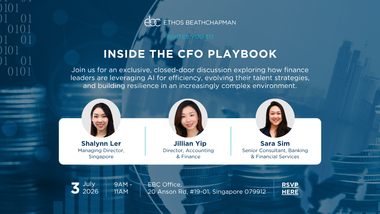
Upcoming Event

By Shazamme System User February 24, 2026
This article draws on insights from RMI , a specialist background screening provider. Hiring foreign talent in Singapore comes with a key regulatory responsibility: ensuring that all work pass applications comply with Ministry of Manpower (MOM) standards. Employers must submit verification reports from approved screening providers, complete with an official MOM reference number. Failure to meet these requirements can delay applications, trigger rejections, or even jeopardise hiring plans. With rising competition for skilled talent, understanding how to navigate MOM-compliant background screening is essential for HR teams and hiring managers. Why MOM Compliance Matters MOM requires that educational qualifications and relevant employment history be verified by selected background screening companies. Reports must include a unique MOM reference number to be accepted with Employment Pass, S Pass, or OnePass applications. For employers, this ensures that: Applications are processed efficiently Candidates meet eligibility requirements Compliance obligations are fully documented Without proper screening, organisations risk project delays, financial penalties, and damage to their reputation. Common Pitfalls in Background Screening Even experienced HR teams encounter recurring challenges with MOM verification: Missing or outdated reference numbers – Any report issued before September 2023 may require re-issuance. Incomplete documentation – Missing education or employment verification details can trigger delays. Unverified overseas qualifications – Degrees from foreign institutions must be checked through accredited channels. Misalignment with pass type requirements – OnePass, S Pass, and EP applications have differing verification standards. By understanding these pitfalls, employers can proactively address compliance issues and reduce administrative bottlenecks. What to Look for in a Screening Provider When selecting a provider for MOM-compliant checks, employers should prioritise: MOM recognition: Only verified providers are accepted by MOM. Comprehensive services: Beyond education checks, look for employment history, professional licenses, and sector-specific verification capabilities. Global verification network: Providers should be able to authenticate overseas qualifications efficiently. Dedicated support: A single point of contact helps guide HR teams and candidates through the process. Fast turnaround: Efficient processing supports tight hiring timelines without compromising accuracy. RMI, for example, offers a combination of these capabilities, with insights drawn from over a decade of Singapore-specific experience. Operational Implications for Hiring Employers should treat background screening as an integral part of workforce planning rather than a one-off administrative task. Effective compliance strategies help organisations: Avoid rejected applications or delays Maintain continuity in project delivery Minimise legal and financial risk Ensure candidates are properly qualified and fit for their roles Integrating screening early in the hiring process allows HR teams to focus on strategic priorities rather than remediation and follow-ups. Planning for a Smooth Verification Process Practical steps for HR teams include: Initiate verification immediately after candidate selection Confirm that educational and employment credentials meet MOM’s standards Document all verification steps to demonstrate due diligence Coordinate with accredited providers who can deliver timely and compliant reports Proactive planning ensures that candidates clear MOM requirements efficiently and reduces pressure on HR teams during peak hiring periods. Key Takeaways for Employers MOM-compliant verification is mandatory for all work passes and cannot be skipped. Using a recognised provider ensures that reports include the necessary MOM reference number. Global verification capabilities and sector-specific checks help manage risks when hiring internationally. Early planning and dedicated support streamline the hiring process and prevent costly delays. Insights from RMI show that organisations which implement structured screening processes experience fewer compliance issues and faster time-to-hire. How EBC Can Support Your Hiring Strategy EBC helps organisations navigate Singapore’s work pass regulations with confidence. Our advisory services include: Strategic workforce planning Salary benchm arking and compensation guidance Guidance on MOM-compliant background screening Support for Employment Pass, S Pass, and OnePass applications Explore EBC’s advisory solutions and salary guides to ensure your hiring strategy is compliant, competitive, and aligned with market standards.

Insights Highlights

Latest Report

By Shazamme System User February 24, 2026
This article draws on insights from RMI , a specialist background screening provider. Hiring foreign talent in Singapore comes with a key regulatory responsibility: ensuring that all work pass applications comply with Ministry of Manpower (MOM) standards. Employers must submit verification reports from approved screening providers, complete with an official MOM reference number. Failure to meet these requirements can delay applications, trigger rejections, or even jeopardise hiring plans. With rising competition for skilled talent, understanding how to navigate MOM-compliant background screening is essential for HR teams and hiring managers. Why MOM Compliance Matters MOM requires that educational qualifications and relevant employment history be verified by selected background screening companies. Reports must include a unique MOM reference number to be accepted with Employment Pass, S Pass, or OnePass applications. For employers, this ensures that: Applications are processed efficiently Candidates meet eligibility requirements Compliance obligations are fully documented Without proper screening, organisations risk project delays, financial penalties, and damage to their reputation. Common Pitfalls in Background Screening Even experienced HR teams encounter recurring challenges with MOM verification: Missing or outdated reference numbers – Any report issued before September 2023 may require re-issuance. Incomplete documentation – Missing education or employment verification details can trigger delays. Unverified overseas qualifications – Degrees from foreign institutions must be checked through accredited channels. Misalignment with pass type requirements – OnePass, S Pass, and EP applications have differing verification standards. By understanding these pitfalls, employers can proactively address compliance issues and reduce administrative bottlenecks. What to Look for in a Screening Provider When selecting a provider for MOM-compliant checks, employers should prioritise: MOM recognition: Only verified providers are accepted by MOM. Comprehensive services: Beyond education checks, look for employment history, professional licenses, and sector-specific verification capabilities. Global verification network: Providers should be able to authenticate overseas qualifications efficiently. Dedicated support: A single point of contact helps guide HR teams and candidates through the process. Fast turnaround: Efficient processing supports tight hiring timelines without compromising accuracy. RMI, for example, offers a combination of these capabilities, with insights drawn from over a decade of Singapore-specific experience. Operational Implications for Hiring Employers should treat background screening as an integral part of workforce planning rather than a one-off administrative task. Effective compliance strategies help organisations: Avoid rejected applications or delays Maintain continuity in project delivery Minimise legal and financial risk Ensure candidates are properly qualified and fit for their roles Integrating screening early in the hiring process allows HR teams to focus on strategic priorities rather than remediation and follow-ups. Planning for a Smooth Verification Process Practical steps for HR teams include: Initiate verification immediately after candidate selection Confirm that educational and employment credentials meet MOM’s standards Document all verification steps to demonstrate due diligence Coordinate with accredited providers who can deliver timely and compliant reports Proactive planning ensures that candidates clear MOM requirements efficiently and reduces pressure on HR teams during peak hiring periods. Key Takeaways for Employers MOM-compliant verification is mandatory for all work passes and cannot be skipped. Using a recognised provider ensures that reports include the necessary MOM reference number. Global verification capabilities and sector-specific checks help manage risks when hiring internationally. Early planning and dedicated support streamline the hiring process and prevent costly delays. Insights from RMI show that organisations which implement structured screening processes experience fewer compliance issues and faster time-to-hire. How EBC Can Support Your Hiring Strategy EBC helps organisations navigate Singapore’s work pass regulations with confidence. Our advisory services include: Strategic workforce planning Salary benchm arking and compensation guidance Guidance on MOM-compliant background screening Support for Employment Pass, S Pass, and OnePass applications Explore EBC’s advisory solutions and salary guides to ensure your hiring strategy is compliant, competitive, and aligned with market standards.
By Shazamme System User February 24, 2026
This article draws on insights from RMI , a specialist background screening provider. Hiring foreign talent in Singapore comes with a key regulatory responsibility: ensuring that all work pass applications comply with Ministry of Manpower (MOM) standards. Employers must submit verification reports from approved screening providers, complete with an official MOM reference number. Failure to meet these requirements can delay applications, trigger rejections, or even jeopardise hiring plans. With rising competition for skilled talent, understanding how to navigate MOM-compliant background screening is essential for HR teams and hiring managers. Why MOM Compliance Matters MOM requires that educational qualifications and relevant employment history be verified by selected background screening companies. Reports must include a unique MOM reference number to be accepted with Employment Pass, S Pass, or OnePass applications. For employers, this ensures that: Applications are processed efficiently Candidates meet eligibility requirements Compliance obligations are fully documented Without proper screening, organisations risk project delays, financial penalties, and damage to their reputation. Common Pitfalls in Background Screening Even experienced HR teams encounter recurring challenges with MOM verification: Missing or outdated reference numbers – Any report issued before September 2023 may require re-issuance. Incomplete documentation – Missing education or employment verification details can trigger delays. Unverified overseas qualifications – Degrees from foreign institutions must be checked through accredited channels. Misalignment with pass type requirements – OnePass, S Pass, and EP applications have differing verification standards. By understanding these pitfalls, employers can proactively address compliance issues and reduce administrative bottlenecks. What to Look for in a Screening Provider When selecting a provider for MOM-compliant checks, employers should prioritise: MOM recognition: Only verified providers are accepted by MOM. Comprehensive services: Beyond education checks, look for employment history, professional licenses, and sector-specific verification capabilities. Global verification network: Providers should be able to authenticate overseas qualifications efficiently. Dedicated support: A single point of contact helps guide HR teams and candidates through the process. Fast turnaround: Efficient processing supports tight hiring timelines without compromising accuracy. RMI, for example, offers a combination of these capabilities, with insights drawn from over a decade of Singapore-specific experience. Operational Implications for Hiring Employers should treat background screening as an integral part of workforce planning rather than a one-off administrative task. Effective compliance strategies help organisations: Avoid rejected applications or delays Maintain continuity in project delivery Minimise legal and financial risk Ensure candidates are properly qualified and fit for their roles Integrating screening early in the hiring process allows HR teams to focus on strategic priorities rather than remediation and follow-ups. Planning for a Smooth Verification Process Practical steps for HR teams include: Initiate verification immediately after candidate selection Confirm that educational and employment credentials meet MOM’s standards Document all verification steps to demonstrate due diligence Coordinate with accredited providers who can deliver timely and compliant reports Proactive planning ensures that candidates clear MOM requirements efficiently and reduces pressure on HR teams during peak hiring periods. Key Takeaways for Employers MOM-compliant verification is mandatory for all work passes and cannot be skipped. Using a recognised provider ensures that reports include the necessary MOM reference number. Global verification capabilities and sector-specific checks help manage risks when hiring internationally. Early planning and dedicated support streamline the hiring process and prevent costly delays. Insights from RMI show that organisations which implement structured screening processes experience fewer compliance issues and faster time-to-hire. How EBC Can Support Your Hiring Strategy EBC helps organisations navigate Singapore’s work pass regulations with confidence. Our advisory services include: Strategic workforce planning Salary benchm arking and compensation guidance Guidance on MOM-compliant background screening Support for Employment Pass, S Pass, and OnePass applications Explore EBC’s advisory solutions and salary guides to ensure your hiring strategy is compliant, competitive, and aligned with market standards.

Blog teaser

By Shazamme System User February 24, 2026
This article draws on insights from RMI , a specialist background screening provider. Hiring foreign talent in Singapore comes with a key regulatory responsibility: ensuring that all work pass applications comply with Ministry of Manpower (MOM) standards. Employers must submit verification reports from approved screening providers, complete with an official MOM reference number. Failure to meet these requirements can delay applications, trigger rejections, or even jeopardise hiring plans. With rising competition for skilled talent, understanding how to navigate MOM-compliant background screening is essential for HR teams and hiring managers. Why MOM Compliance Matters MOM requires that educational qualifications and relevant employment history be verified by selected background screening companies. Reports must include a unique MOM reference number to be accepted with Employment Pass, S Pass, or OnePass applications. For employers, this ensures that: Applications are processed efficiently Candidates meet eligibility requirements Compliance obligations are fully documented Without proper screening, organisations risk project delays, financial penalties, and damage to their reputation. Common Pitfalls in Background Screening Even experienced HR teams encounter recurring challenges with MOM verification: Missing or outdated reference numbers – Any report issued before September 2023 may require re-issuance. Incomplete documentation – Missing education or employment verification details can trigger delays. Unverified overseas qualifications – Degrees from foreign institutions must be checked through accredited channels. Misalignment with pass type requirements – OnePass, S Pass, and EP applications have differing verification standards. By understanding these pitfalls, employers can proactively address compliance issues and reduce administrative bottlenecks. What to Look for in a Screening Provider When selecting a provider for MOM-compliant checks, employers should prioritise: MOM recognition: Only verified providers are accepted by MOM. Comprehensive services: Beyond education checks, look for employment history, professional licenses, and sector-specific verification capabilities. Global verification network: Providers should be able to authenticate overseas qualifications efficiently. Dedicated support: A single point of contact helps guide HR teams and candidates through the process. Fast turnaround: Efficient processing supports tight hiring timelines without compromising accuracy. RMI, for example, offers a combination of these capabilities, with insights drawn from over a decade of Singapore-specific experience. Operational Implications for Hiring Employers should treat background screening as an integral part of workforce planning rather than a one-off administrative task. Effective compliance strategies help organisations: Avoid rejected applications or delays Maintain continuity in project delivery Minimise legal and financial risk Ensure candidates are properly qualified and fit for their roles Integrating screening early in the hiring process allows HR teams to focus on strategic priorities rather than remediation and follow-ups. Planning for a Smooth Verification Process Practical steps for HR teams include: Initiate verification immediately after candidate selection Confirm that educational and employment credentials meet MOM’s standards Document all verification steps to demonstrate due diligence Coordinate with accredited providers who can deliver timely and compliant reports Proactive planning ensures that candidates clear MOM requirements efficiently and reduces pressure on HR teams during peak hiring periods. Key Takeaways for Employers MOM-compliant verification is mandatory for all work passes and cannot be skipped. Using a recognised provider ensures that reports include the necessary MOM reference number. Global verification capabilities and sector-specific checks help manage risks when hiring internationally. Early planning and dedicated support streamline the hiring process and prevent costly delays. Insights from RMI show that organisations which implement structured screening processes experience fewer compliance issues and faster time-to-hire. How EBC Can Support Your Hiring Strategy EBC helps organisations navigate Singapore’s work pass regulations with confidence. Our advisory services include: Strategic workforce planning Salary benchm arking and compensation guidance Guidance on MOM-compliant background screening Support for Employment Pass, S Pass, and OnePass applications Explore EBC’s advisory solutions and salary guides to ensure your hiring strategy is compliant, competitive, and aligned with market standards.
By Shazamme System User February 24, 2026
This article draws on insights from RMI , a specialist background screening provider. Hiring foreign talent in Singapore comes with a key regulatory responsibility: ensuring that all work pass applications comply with Ministry of Manpower (MOM) standards. Employers must submit verification reports from approved screening providers, complete with an official MOM reference number. Failure to meet these requirements can delay applications, trigger rejections, or even jeopardise hiring plans. With rising competition for skilled talent, understanding how to navigate MOM-compliant background screening is essential for HR teams and hiring managers. Why MOM Compliance Matters MOM requires that educational qualifications and relevant employment history be verified by selected background screening companies. Reports must include a unique MOM reference number to be accepted with Employment Pass, S Pass, or OnePass applications. For employers, this ensures that: Applications are processed efficiently Candidates meet eligibility requirements Compliance obligations are fully documented Without proper screening, organisations risk project delays, financial penalties, and damage to their reputation. Common Pitfalls in Background Screening Even experienced HR teams encounter recurring challenges with MOM verification: Missing or outdated reference numbers – Any report issued before September 2023 may require re-issuance. Incomplete documentation – Missing education or employment verification details can trigger delays. Unverified overseas qualifications – Degrees from foreign institutions must be checked through accredited channels. Misalignment with pass type requirements – OnePass, S Pass, and EP applications have differing verification standards. By understanding these pitfalls, employers can proactively address compliance issues and reduce administrative bottlenecks. What to Look for in a Screening Provider When selecting a provider for MOM-compliant checks, employers should prioritise: MOM recognition: Only verified providers are accepted by MOM. Comprehensive services: Beyond education checks, look for employment history, professional licenses, and sector-specific verification capabilities. Global verification network: Providers should be able to authenticate overseas qualifications efficiently. Dedicated support: A single point of contact helps guide HR teams and candidates through the process. Fast turnaround: Efficient processing supports tight hiring timelines without compromising accuracy. RMI, for example, offers a combination of these capabilities, with insights drawn from over a decade of Singapore-specific experience. Operational Implications for Hiring Employers should treat background screening as an integral part of workforce planning rather than a one-off administrative task. Effective compliance strategies help organisations: Avoid rejected applications or delays Maintain continuity in project delivery Minimise legal and financial risk Ensure candidates are properly qualified and fit for their roles Integrating screening early in the hiring process allows HR teams to focus on strategic priorities rather than remediation and follow-ups. Planning for a Smooth Verification Process Practical steps for HR teams include: Initiate verification immediately after candidate selection Confirm that educational and employment credentials meet MOM’s standards Document all verification steps to demonstrate due diligence Coordinate with accredited providers who can deliver timely and compliant reports Proactive planning ensures that candidates clear MOM requirements efficiently and reduces pressure on HR teams during peak hiring periods. Key Takeaways for Employers MOM-compliant verification is mandatory for all work passes and cannot be skipped. Using a recognised provider ensures that reports include the necessary MOM reference number. Global verification capabilities and sector-specific checks help manage risks when hiring internationally. Early planning and dedicated support streamline the hiring process and prevent costly delays. Insights from RMI show that organisations which implement structured screening processes experience fewer compliance issues and faster time-to-hire. How EBC Can Support Your Hiring Strategy EBC helps organisations navigate Singapore’s work pass regulations with confidence. Our advisory services include: Strategic workforce planning Salary benchm arking and compensation guidance Guidance on MOM-compliant background screening Support for Employment Pass, S Pass, and OnePass applications Explore EBC’s advisory solutions and salary guides to ensure your hiring strategy is compliant, competitive, and aligned with market standards.

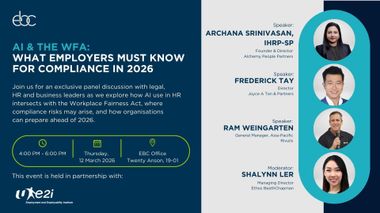
Upcoming Events

By Shazamme System User February 24, 2026
This article draws on insights from RMI , a specialist background screening provider. Hiring foreign talent in Singapore comes with a key regulatory responsibility: ensuring that all work pass applications comply with Ministry of Manpower (MOM) standards. Employers must submit verification reports from approved screening providers, complete with an official MOM reference number. Failure to meet these requirements can delay applications, trigger rejections, or even jeopardise hiring plans. With rising competition for skilled talent, understanding how to navigate MOM-compliant background screening is essential for HR teams and hiring managers. Why MOM Compliance Matters MOM requires that educational qualifications and relevant employment history be verified by selected background screening companies. Reports must include a unique MOM reference number to be accepted with Employment Pass, S Pass, or OnePass applications. For employers, this ensures that: Applications are processed efficiently Candidates meet eligibility requirements Compliance obligations are fully documented Without proper screening, organisations risk project delays, financial penalties, and damage to their reputation. Common Pitfalls in Background Screening Even experienced HR teams encounter recurring challenges with MOM verification: Missing or outdated reference numbers – Any report issued before September 2023 may require re-issuance. Incomplete documentation – Missing education or employment verification details can trigger delays. Unverified overseas qualifications – Degrees from foreign institutions must be checked through accredited channels. Misalignment with pass type requirements – OnePass, S Pass, and EP applications have differing verification standards. By understanding these pitfalls, employers can proactively address compliance issues and reduce administrative bottlenecks. What to Look for in a Screening Provider When selecting a provider for MOM-compliant checks, employers should prioritise: MOM recognition: Only verified providers are accepted by MOM. Comprehensive services: Beyond education checks, look for employment history, professional licenses, and sector-specific verification capabilities. Global verification network: Providers should be able to authenticate overseas qualifications efficiently. Dedicated support: A single point of contact helps guide HR teams and candidates through the process. Fast turnaround: Efficient processing supports tight hiring timelines without compromising accuracy. RMI, for example, offers a combination of these capabilities, with insights drawn from over a decade of Singapore-specific experience. Operational Implications for Hiring Employers should treat background screening as an integral part of workforce planning rather than a one-off administrative task. Effective compliance strategies help organisations: Avoid rejected applications or delays Maintain continuity in project delivery Minimise legal and financial risk Ensure candidates are properly qualified and fit for their roles Integrating screening early in the hiring process allows HR teams to focus on strategic priorities rather than remediation and follow-ups. Planning for a Smooth Verification Process Practical steps for HR teams include: Initiate verification immediately after candidate selection Confirm that educational and employment credentials meet MOM’s standards Document all verification steps to demonstrate due diligence Coordinate with accredited providers who can deliver timely and compliant reports Proactive planning ensures that candidates clear MOM requirements efficiently and reduces pressure on HR teams during peak hiring periods. Key Takeaways for Employers MOM-compliant verification is mandatory for all work passes and cannot be skipped. Using a recognised provider ensures that reports include the necessary MOM reference number. Global verification capabilities and sector-specific checks help manage risks when hiring internationally. Early planning and dedicated support streamline the hiring process and prevent costly delays. Insights from RMI show that organisations which implement structured screening processes experience fewer compliance issues and faster time-to-hire. How EBC Can Support Your Hiring Strategy EBC helps organisations navigate Singapore’s work pass regulations with confidence. Our advisory services include: Strategic workforce planning Salary benchm arking and compensation guidance Guidance on MOM-compliant background screening Support for Employment Pass, S Pass, and OnePass applications Explore EBC’s advisory solutions and salary guides to ensure your hiring strategy is compliant, competitive, and aligned with market standards.
By Shazamme System User February 24, 2026
This article draws on insights from RMI , a specialist background screening provider. Hiring foreign talent in Singapore comes with a key regulatory responsibility: ensuring that all work pass applications comply with Ministry of Manpower (MOM) standards. Employers must submit verification reports from approved screening providers, complete with an official MOM reference number. Failure to meet these requirements can delay applications, trigger rejections, or even jeopardise hiring plans. With rising competition for skilled talent, understanding how to navigate MOM-compliant background screening is essential for HR teams and hiring managers. Why MOM Compliance Matters MOM requires that educational qualifications and relevant employment history be verified by selected background screening companies. Reports must include a unique MOM reference number to be accepted with Employment Pass, S Pass, or OnePass applications. For employers, this ensures that: Applications are processed efficiently Candidates meet eligibility requirements Compliance obligations are fully documented Without proper screening, organisations risk project delays, financial penalties, and damage to their reputation. Common Pitfalls in Background Screening Even experienced HR teams encounter recurring challenges with MOM verification: Missing or outdated reference numbers – Any report issued before September 2023 may require re-issuance. Incomplete documentation – Missing education or employment verification details can trigger delays. Unverified overseas qualifications – Degrees from foreign institutions must be checked through accredited channels. Misalignment with pass type requirements – OnePass, S Pass, and EP applications have differing verification standards. By understanding these pitfalls, employers can proactively address compliance issues and reduce administrative bottlenecks. What to Look for in a Screening Provider When selecting a provider for MOM-compliant checks, employers should prioritise: MOM recognition: Only verified providers are accepted by MOM. Comprehensive services: Beyond education checks, look for employment history, professional licenses, and sector-specific verification capabilities. Global verification network: Providers should be able to authenticate overseas qualifications efficiently. Dedicated support: A single point of contact helps guide HR teams and candidates through the process. Fast turnaround: Efficient processing supports tight hiring timelines without compromising accuracy. RMI, for example, offers a combination of these capabilities, with insights drawn from over a decade of Singapore-specific experience. Operational Implications for Hiring Employers should treat background screening as an integral part of workforce planning rather than a one-off administrative task. Effective compliance strategies help organisations: Avoid rejected applications or delays Maintain continuity in project delivery Minimise legal and financial risk Ensure candidates are properly qualified and fit for their roles Integrating screening early in the hiring process allows HR teams to focus on strategic priorities rather than remediation and follow-ups. Planning for a Smooth Verification Process Practical steps for HR teams include: Initiate verification immediately after candidate selection Confirm that educational and employment credentials meet MOM’s standards Document all verification steps to demonstrate due diligence Coordinate with accredited providers who can deliver timely and compliant reports Proactive planning ensures that candidates clear MOM requirements efficiently and reduces pressure on HR teams during peak hiring periods. Key Takeaways for Employers MOM-compliant verification is mandatory for all work passes and cannot be skipped. Using a recognised provider ensures that reports include the necessary MOM reference number. Global verification capabilities and sector-specific checks help manage risks when hiring internationally. Early planning and dedicated support streamline the hiring process and prevent costly delays. Insights from RMI show that organisations which implement structured screening processes experience fewer compliance issues and faster time-to-hire. How EBC Can Support Your Hiring Strategy EBC helps organisations navigate Singapore’s work pass regulations with confidence. Our advisory services include: Strategic workforce planning Salary benchm arking and compensation guidance Guidance on MOM-compliant background screening Support for Employment Pass, S Pass, and OnePass applications Explore EBC’s advisory solutions and salary guides to ensure your hiring strategy is compliant, competitive, and aligned with market standards.

Insights Highlights

Latest Report

By Shazamme System User February 24, 2026
This article draws on insights from RMI , a specialist background screening provider. Hiring foreign talent in Singapore comes with a key regulatory responsibility: ensuring that all work pass applications comply with Ministry of Manpower (MOM) standards. Employers must submit verification reports from approved screening providers, complete with an official MOM reference number. Failure to meet these requirements can delay applications, trigger rejections, or even jeopardise hiring plans. With rising competition for skilled talent, understanding how to navigate MOM-compliant background screening is essential for HR teams and hiring managers. Why MOM Compliance Matters MOM requires that educational qualifications and relevant employment history be verified by selected background screening companies. Reports must include a unique MOM reference number to be accepted with Employment Pass, S Pass, or OnePass applications. For employers, this ensures that: Applications are processed efficiently Candidates meet eligibility requirements Compliance obligations are fully documented Without proper screening, organisations risk project delays, financial penalties, and damage to their reputation. Common Pitfalls in Background Screening Even experienced HR teams encounter recurring challenges with MOM verification: Missing or outdated reference numbers – Any report issued before September 2023 may require re-issuance. Incomplete documentation – Missing education or employment verification details can trigger delays. Unverified overseas qualifications – Degrees from foreign institutions must be checked through accredited channels. Misalignment with pass type requirements – OnePass, S Pass, and EP applications have differing verification standards. By understanding these pitfalls, employers can proactively address compliance issues and reduce administrative bottlenecks. What to Look for in a Screening Provider When selecting a provider for MOM-compliant checks, employers should prioritise: MOM recognition: Only verified providers are accepted by MOM. Comprehensive services: Beyond education checks, look for employment history, professional licenses, and sector-specific verification capabilities. Global verification network: Providers should be able to authenticate overseas qualifications efficiently. Dedicated support: A single point of contact helps guide HR teams and candidates through the process. Fast turnaround: Efficient processing supports tight hiring timelines without compromising accuracy. RMI, for example, offers a combination of these capabilities, with insights drawn from over a decade of Singapore-specific experience. Operational Implications for Hiring Employers should treat background screening as an integral part of workforce planning rather than a one-off administrative task. Effective compliance strategies help organisations: Avoid rejected applications or delays Maintain continuity in project delivery Minimise legal and financial risk Ensure candidates are properly qualified and fit for their roles Integrating screening early in the hiring process allows HR teams to focus on strategic priorities rather than remediation and follow-ups. Planning for a Smooth Verification Process Practical steps for HR teams include: Initiate verification immediately after candidate selection Confirm that educational and employment credentials meet MOM’s standards Document all verification steps to demonstrate due diligence Coordinate with accredited providers who can deliver timely and compliant reports Proactive planning ensures that candidates clear MOM requirements efficiently and reduces pressure on HR teams during peak hiring periods. Key Takeaways for Employers MOM-compliant verification is mandatory for all work passes and cannot be skipped. Using a recognised provider ensures that reports include the necessary MOM reference number. Global verification capabilities and sector-specific checks help manage risks when hiring internationally. Early planning and dedicated support streamline the hiring process and prevent costly delays. Insights from RMI show that organisations which implement structured screening processes experience fewer compliance issues and faster time-to-hire. How EBC Can Support Your Hiring Strategy EBC helps organisations navigate Singapore’s work pass regulations with confidence. Our advisory services include: Strategic workforce planning Salary benchm arking and compensation guidance Guidance on MOM-compliant background screening Support for Employment Pass, S Pass, and OnePass applications Explore EBC’s advisory solutions and salary guides to ensure your hiring strategy is compliant, competitive, and aligned with market standards.
By Shazamme System User February 24, 2026
This article draws on insights from RMI , a specialist background screening provider. Hiring foreign talent in Singapore requires more than identifying the right candidate. Ensuring that background checks align with the requirements of the Ministry of Manpower (MOM) is a critical part of the work pass application process and a key factor in avoiding delays or rejections. MOM’s verification framework exists to protect the integrity of Singapore’s workforce by confirming that candidates’ qualifications and employment claims are accurate and legitimate. For employers, understanding what must be verified, and how, is essential to keeping hiring timelines on track. Why MOM-Compliant Verification Matters Non-compliant or incomplete verification documentation is a common cause of work pass delays. In some cases, applications are rejected outright, requiring organisations to restart the process and re-engage candidates who may already be in transition. By ensuring verification requirements are met from the outset, employers reduce administrative risk, maintain credibility with regulators, and improve the overall candidate experience. Key Requirements for MOM-Compliant Background Checks 1. Work with a MOM-Recognised Screening Partner MOM only accepts verification reports issued by approved background screening providers. Using a recognised partner ensures that verification documentation meets MOM’s prescribed format and evidentiary standards for Employment Pass (EP), S Pass, and One Pass applications. This removes uncertainty and helps applications progress without unnecessary clarification requests. 2. Ensure Education Verification Meets MOM Standards MOM requires verification of all declared post-secondary diplomas and higher education qualifications. This applies regardless of where the qualification was obtained. Compliant verification involves confirming the authenticity of certificates directly with issuing institutions or relevant authorities. Given the global nature of today’s talent pool, this often requires coordination across multiple jurisdictions. 3. Confirm Inclusion of a MOM Verification Reference Number Since 1 September 2023, all compliant education verification reports must include a unique MOM verification reference number. Reports issued before this date without the reference number may need to be reissued. This remains one of the most common technical issues that delays otherwise complete applications. 4. Understand Role-Specific and Pass-Specific Requirements While education verification is a core requirement, different work passes carry different obligations. For example, One Pass applications require more extensive employment checks, including salary verification, to confirm historical earnings. It is also important to note that education qualifications only need to be verified once. If a candidate’s qualifications have already been verified and accepted, repeat verification is not required. Reducing Risk and Administrative Burden For HR and talent teams managing multiple applications or working under tight timelines, MOM verification requirements can quickly become resource-intensive. Standard verification timelines may extend hiring schedules, while incomplete submissions often result in repeated follow-ups and resubmissions. A structured, compliant approach helps organisations avoid these friction points and allows HR teams to focus on strategic hiring priorities rather than regulatory troubleshooting. Supporting Smarter Workforce Planning Background verification is one part of a broader compliance and workforce planning landscape. Alongside verification requirements, employers must also navigate evolving salary benchmarks and pass eligibility thresholds. To support informed hiring decisions, EBC’s Salary Guide provides up-to-date market benchmarks across key roles and functions in Asia-Pacific. Click here to view the salary guide. For the full original article, visit the RMI website.

Blog Teaser

By Shazamme System User February 24, 2026
This article draws on insights from RMI , a specialist background screening provider. Hiring foreign talent in Singapore comes with a key regulatory responsibility: ensuring that all work pass applications comply with Ministry of Manpower (MOM) standards. Employers must submit verification reports from approved screening providers, complete with an official MOM reference number. Failure to meet these requirements can delay applications, trigger rejections, or even jeopardise hiring plans. With rising competition for skilled talent, understanding how to navigate MOM-compliant background screening is essential for HR teams and hiring managers. Why MOM Compliance Matters MOM requires that educational qualifications and relevant employment history be verified by selected background screening companies. Reports must include a unique MOM reference number to be accepted with Employment Pass, S Pass, or OnePass applications. For employers, this ensures that: Applications are processed efficiently Candidates meet eligibility requirements Compliance obligations are fully documented Without proper screening, organisations risk project delays, financial penalties, and damage to their reputation. Common Pitfalls in Background Screening Even experienced HR teams encounter recurring challenges with MOM verification: Missing or outdated reference numbers – Any report issued before September 2023 may require re-issuance. Incomplete documentation – Missing education or employment verification details can trigger delays. Unverified overseas qualifications – Degrees from foreign institutions must be checked through accredited channels. Misalignment with pass type requirements – OnePass, S Pass, and EP applications have differing verification standards. By understanding these pitfalls, employers can proactively address compliance issues and reduce administrative bottlenecks. What to Look for in a Screening Provider When selecting a provider for MOM-compliant checks, employers should prioritise: MOM recognition: Only verified providers are accepted by MOM. Comprehensive services: Beyond education checks, look for employment history, professional licenses, and sector-specific verification capabilities. Global verification network: Providers should be able to authenticate overseas qualifications efficiently. Dedicated support: A single point of contact helps guide HR teams and candidates through the process. Fast turnaround: Efficient processing supports tight hiring timelines without compromising accuracy. RMI, for example, offers a combination of these capabilities, with insights drawn from over a decade of Singapore-specific experience. Operational Implications for Hiring Employers should treat background screening as an integral part of workforce planning rather than a one-off administrative task. Effective compliance strategies help organisations: Avoid rejected applications or delays Maintain continuity in project delivery Minimise legal and financial risk Ensure candidates are properly qualified and fit for their roles Integrating screening early in the hiring process allows HR teams to focus on strategic priorities rather than remediation and follow-ups. Planning for a Smooth Verification Process Practical steps for HR teams include: Initiate verification immediately after candidate selection Confirm that educational and employment credentials meet MOM’s standards Document all verification steps to demonstrate due diligence Coordinate with accredited providers who can deliver timely and compliant reports Proactive planning ensures that candidates clear MOM requirements efficiently and reduces pressure on HR teams during peak hiring periods. Key Takeaways for Employers MOM-compliant verification is mandatory for all work passes and cannot be skipped. Using a recognised provider ensures that reports include the necessary MOM reference number. Global verification capabilities and sector-specific checks help manage risks when hiring internationally. Early planning and dedicated support streamline the hiring process and prevent costly delays. Insights from RMI show that organisations which implement structured screening processes experience fewer compliance issues and faster time-to-hire. How EBC Can Support Your Hiring Strategy EBC helps organisations navigate Singapore’s work pass regulations with confidence. Our advisory services include: Strategic workforce planning Salary benchm arking and compensation guidance Guidance on MOM-compliant background screening Support for Employment Pass, S Pass, and OnePass applications Explore EBC’s advisory solutions and salary guides to ensure your hiring strategy is compliant, competitive, and aligned with market standards.
By Shazamme System User February 24, 2026
This article draws on insights from RMI , a specialist background screening provider. Hiring foreign talent in Singapore requires more than identifying the right candidate. Ensuring that background checks align with the requirements of the Ministry of Manpower (MOM) is a critical part of the work pass application process and a key factor in avoiding delays or rejections. MOM’s verification framework exists to protect the integrity of Singapore’s workforce by confirming that candidates’ qualifications and employment claims are accurate and legitimate. For employers, understanding what must be verified, and how, is essential to keeping hiring timelines on track. Why MOM-Compliant Verification Matters Non-compliant or incomplete verification documentation is a common cause of work pass delays. In some cases, applications are rejected outright, requiring organisations to restart the process and re-engage candidates who may already be in transition. By ensuring verification requirements are met from the outset, employers reduce administrative risk, maintain credibility with regulators, and improve the overall candidate experience. Key Requirements for MOM-Compliant Background Checks 1. Work with a MOM-Recognised Screening Partner MOM only accepts verification reports issued by approved background screening providers. Using a recognised partner ensures that verification documentation meets MOM’s prescribed format and evidentiary standards for Employment Pass (EP), S Pass, and One Pass applications. This removes uncertainty and helps applications progress without unnecessary clarification requests. 2. Ensure Education Verification Meets MOM Standards MOM requires verification of all declared post-secondary diplomas and higher education qualifications. This applies regardless of where the qualification was obtained. Compliant verification involves confirming the authenticity of certificates directly with issuing institutions or relevant authorities. Given the global nature of today’s talent pool, this often requires coordination across multiple jurisdictions. 3. Confirm Inclusion of a MOM Verification Reference Number Since 1 September 2023, all compliant education verification reports must include a unique MOM verification reference number. Reports issued before this date without the reference number may need to be reissued. This remains one of the most common technical issues that delays otherwise complete applications. 4. Understand Role-Specific and Pass-Specific Requirements While education verification is a core requirement, different work passes carry different obligations. For example, One Pass applications require more extensive employment checks, including salary verification, to confirm historical earnings. It is also important to note that education qualifications only need to be verified once. If a candidate’s qualifications have already been verified and accepted, repeat verification is not required. Reducing Risk and Administrative Burden For HR and talent teams managing multiple applications or working under tight timelines, MOM verification requirements can quickly become resource-intensive. Standard verification timelines may extend hiring schedules, while incomplete submissions often result in repeated follow-ups and resubmissions. A structured, compliant approach helps organisations avoid these friction points and allows HR teams to focus on strategic hiring priorities rather than regulatory troubleshooting. Supporting Smarter Workforce Planning Background verification is one part of a broader compliance and workforce planning landscape. Alongside verification requirements, employers must also navigate evolving salary benchmarks and pass eligibility thresholds. To support informed hiring decisions, EBC’s Salary Guide provides up-to-date market benchmarks across key roles and functions in Asia-Pacific. Click here to view the salary guide. For the full original article, visit the RMI website.

Upcoming Events

By Shazamme System User February 24, 2026
This article draws on insights from RMI , a specialist background screening provider. Hiring foreign talent in Singapore comes with a key regulatory responsibility: ensuring that all work pass applications comply with Ministry of Manpower (MOM) standards. Employers must submit verification reports from approved screening providers, complete with an official MOM reference number. Failure to meet these requirements can delay applications, trigger rejections, or even jeopardise hiring plans. With rising competition for skilled talent, understanding how to navigate MOM-compliant background screening is essential for HR teams and hiring managers. Why MOM Compliance Matters MOM requires that educational qualifications and relevant employment history be verified by selected background screening companies. Reports must include a unique MOM reference number to be accepted with Employment Pass, S Pass, or OnePass applications. For employers, this ensures that: Applications are processed efficiently Candidates meet eligibility requirements Compliance obligations are fully documented Without proper screening, organisations risk project delays, financial penalties, and damage to their reputation. Common Pitfalls in Background Screening Even experienced HR teams encounter recurring challenges with MOM verification: Missing or outdated reference numbers – Any report issued before September 2023 may require re-issuance. Incomplete documentation – Missing education or employment verification details can trigger delays. Unverified overseas qualifications – Degrees from foreign institutions must be checked through accredited channels. Misalignment with pass type requirements – OnePass, S Pass, and EP applications have differing verification standards. By understanding these pitfalls, employers can proactively address compliance issues and reduce administrative bottlenecks. What to Look for in a Screening Provider When selecting a provider for MOM-compliant checks, employers should prioritise: MOM recognition: Only verified providers are accepted by MOM. Comprehensive services: Beyond education checks, look for employment history, professional licenses, and sector-specific verification capabilities. Global verification network: Providers should be able to authenticate overseas qualifications efficiently. Dedicated support: A single point of contact helps guide HR teams and candidates through the process. Fast turnaround: Efficient processing supports tight hiring timelines without compromising accuracy. RMI, for example, offers a combination of these capabilities, with insights drawn from over a decade of Singapore-specific experience. Operational Implications for Hiring Employers should treat background screening as an integral part of workforce planning rather than a one-off administrative task. Effective compliance strategies help organisations: Avoid rejected applications or delays Maintain continuity in project delivery Minimise legal and financial risk Ensure candidates are properly qualified and fit for their roles Integrating screening early in the hiring process allows HR teams to focus on strategic priorities rather than remediation and follow-ups. Planning for a Smooth Verification Process Practical steps for HR teams include: Initiate verification immediately after candidate selection Confirm that educational and employment credentials meet MOM’s standards Document all verification steps to demonstrate due diligence Coordinate with accredited providers who can deliver timely and compliant reports Proactive planning ensures that candidates clear MOM requirements efficiently and reduces pressure on HR teams during peak hiring periods. Key Takeaways for Employers MOM-compliant verification is mandatory for all work passes and cannot be skipped. Using a recognised provider ensures that reports include the necessary MOM reference number. Global verification capabilities and sector-specific checks help manage risks when hiring internationally. Early planning and dedicated support streamline the hiring process and prevent costly delays. Insights from RMI show that organisations which implement structured screening processes experience fewer compliance issues and faster time-to-hire. How EBC Can Support Your Hiring Strategy EBC helps organisations navigate Singapore’s work pass regulations with confidence. Our advisory services include: Strategic workforce planning Salary benchm arking and compensation guidance Guidance on MOM-compliant background screening Support for Employment Pass, S Pass, and OnePass applications Explore EBC’s advisory solutions and salary guides to ensure your hiring strategy is compliant, competitive, and aligned with market standards.
By Shazamme System User February 24, 2026
This article draws on insights from RMI , a specialist background screening provider. Hiring foreign talent in Singapore requires more than identifying the right candidate. Ensuring that background checks align with the requirements of the Ministry of Manpower (MOM) is a critical part of the work pass application process and a key factor in avoiding delays or rejections. MOM’s verification framework exists to protect the integrity of Singapore’s workforce by confirming that candidates’ qualifications and employment claims are accurate and legitimate. For employers, understanding what must be verified, and how, is essential to keeping hiring timelines on track. Why MOM-Compliant Verification Matters Non-compliant or incomplete verification documentation is a common cause of work pass delays. In some cases, applications are rejected outright, requiring organisations to restart the process and re-engage candidates who may already be in transition. By ensuring verification requirements are met from the outset, employers reduce administrative risk, maintain credibility with regulators, and improve the overall candidate experience. Key Requirements for MOM-Compliant Background Checks 1. Work with a MOM-Recognised Screening Partner MOM only accepts verification reports issued by approved background screening providers. Using a recognised partner ensures that verification documentation meets MOM’s prescribed format and evidentiary standards for Employment Pass (EP), S Pass, and One Pass applications. This removes uncertainty and helps applications progress without unnecessary clarification requests. 2. Ensure Education Verification Meets MOM Standards MOM requires verification of all declared post-secondary diplomas and higher education qualifications. This applies regardless of where the qualification was obtained. Compliant verification involves confirming the authenticity of certificates directly with issuing institutions or relevant authorities. Given the global nature of today’s talent pool, this often requires coordination across multiple jurisdictions. 3. Confirm Inclusion of a MOM Verification Reference Number Since 1 September 2023, all compliant education verification reports must include a unique MOM verification reference number. Reports issued before this date without the reference number may need to be reissued. This remains one of the most common technical issues that delays otherwise complete applications. 4. Understand Role-Specific and Pass-Specific Requirements While education verification is a core requirement, different work passes carry different obligations. For example, One Pass applications require more extensive employment checks, including salary verification, to confirm historical earnings. It is also important to note that education qualifications only need to be verified once. If a candidate’s qualifications have already been verified and accepted, repeat verification is not required. Reducing Risk and Administrative Burden For HR and talent teams managing multiple applications or working under tight timelines, MOM verification requirements can quickly become resource-intensive. Standard verification timelines may extend hiring schedules, while incomplete submissions often result in repeated follow-ups and resubmissions. A structured, compliant approach helps organisations avoid these friction points and allows HR teams to focus on strategic hiring priorities rather than regulatory troubleshooting. Supporting Smarter Workforce Planning Background verification is one part of a broader compliance and workforce planning landscape. Alongside verification requirements, employers must also navigate evolving salary benchmarks and pass eligibility thresholds. To support informed hiring decisions, EBC’s Salary Guide provides up-to-date market benchmarks across key roles and functions in Asia-Pacific. Click here to view the salary guide. For the full original article, visit the RMI website.

Insights Highlights

Latest Reports

Q1 LEGAL PRIVATE PRACTICE MARKET MOVERS & SHAKERS
By Shazamme System User February 10, 2026
Latest legal trends across Asia
Skyscrapers reaching towards a bright sun, blue glass exteriors.
November 3, 2025
​LEGAL PRIVATE PRACTICE | SINGAPORE
Skyscrapers with glass facades against a bright sun in a blue sky.
November 3, 2025
​LEGAL IN-HOUSE | SINGAPORE
Hong Kong skyline with tall skyscrapers, including the International Finance Centre, overlooking the water on a hazy day.
November 3, 2025
​LEGAL IN-HOUSE | HONG KONG
City skyline at dusk with vibrant pink and purple sunset reflecting on the water.
November 3, 2025
​LEGAL PRIVATE PRACTICE | HONG KONG
Hands holding smartphone showing a document with a checkmark, surrounded by icons.
October 31, 2025
​RISK & COMPLIANCE | SINGAPORE
A blue-tinted laboratory scene. A pipette dispenses liquid into a test tube. Other tubes are in the background.
October 31, 2025
​CHEMICALS | SINGAPORE

Latest Reports

Q1 LEGAL PRIVATE PRACTICE MARKET MOVERS & SHAKERS
By Shazamme System User February 10, 2026
Latest legal trends across Asia
By Shazamme System User February 24, 2026
This article draws on insights from RMI , a specialist background screening provider. Hiring foreign talent in Singapore comes with a key regulatory responsibility: ensuring that all work pass applications comply with Ministry of Manpower (MOM) standards. Employers must submit verification reports from approved screening providers, complete with an official MOM reference number. Failure to meet these requirements can delay applications, trigger rejections, or even jeopardise hiring plans. With rising competition for skilled talent, understanding how to navigate MOM-compliant background screening is essential for HR teams and hiring managers. Why MOM Compliance Matters MOM requires that educational qualifications and relevant employment history be verified by selected background screening companies. Reports must include a unique MOM reference number to be accepted with Employment Pass, S Pass, or OnePass applications. For employers, this ensures that: Applications are processed efficiently Candidates meet eligibility requirements Compliance obligations are fully documented Without proper screening, organisations risk project delays, financial penalties, and damage to their reputation. Common Pitfalls in Background Screening Even experienced HR teams encounter recurring challenges with MOM verification: Missing or outdated reference numbers – Any report issued before September 2023 may require re-issuance. Incomplete documentation – Missing education or employment verification details can trigger delays. Unverified overseas qualifications – Degrees from foreign institutions must be checked through accredited channels. Misalignment with pass type requirements – OnePass, S Pass, and EP applications have differing verification standards. By understanding these pitfalls, employers can proactively address compliance issues and reduce administrative bottlenecks. What to Look for in a Screening Provider When selecting a provider for MOM-compliant checks, employers should prioritise: MOM recognition: Only verified providers are accepted by MOM. Comprehensive services: Beyond education checks, look for employment history, professional licenses, and sector-specific verification capabilities. Global verification network: Providers should be able to authenticate overseas qualifications efficiently. Dedicated support: A single point of contact helps guide HR teams and candidates through the process. Fast turnaround: Efficient processing supports tight hiring timelines without compromising accuracy. RMI, for example, offers a combination of these capabilities, with insights drawn from over a decade of Singapore-specific experience. Operational Implications for Hiring Employers should treat background screening as an integral part of workforce planning rather than a one-off administrative task. Effective compliance strategies help organisations: Avoid rejected applications or delays Maintain continuity in project delivery Minimise legal and financial risk Ensure candidates are properly qualified and fit for their roles Integrating screening early in the hiring process allows HR teams to focus on strategic priorities rather than remediation and follow-ups. Planning for a Smooth Verification Process Practical steps for HR teams include: Initiate verification immediately after candidate selection Confirm that educational and employment credentials meet MOM’s standards Document all verification steps to demonstrate due diligence Coordinate with accredited providers who can deliver timely and compliant reports Proactive planning ensures that candidates clear MOM requirements efficiently and reduces pressure on HR teams during peak hiring periods. Key Takeaways for Employers MOM-compliant verification is mandatory for all work passes and cannot be skipped. Using a recognised provider ensures that reports include the necessary MOM reference number. Global verification capabilities and sector-specific checks help manage risks when hiring internationally. Early planning and dedicated support streamline the hiring process and prevent costly delays. Insights from RMI show that organisations which implement structured screening processes experience fewer compliance issues and faster time-to-hire. How EBC Can Support Your Hiring Strategy EBC helps organisations navigate Singapore’s work pass regulations with confidence. Our advisory services include: Strategic workforce planning Salary benchm arking and compensation guidance Guidance on MOM-compliant background screening Support for Employment Pass, S Pass, and OnePass applications Explore EBC’s advisory solutions and salary guides to ensure your hiring strategy is compliant, competitive, and aligned with market standards.

Industry Insights

By Shazamme System User February 24, 2026
This article draws on insights from RMI , a specialist background screening provider. Hiring foreign talent in Singapore comes with a key regulatory responsibility: ensuring that all work pass applications comply with Ministry of Manpower (MOM) standards. Employers must submit verification reports from approved screening providers, complete with an official MOM reference number. Failure to meet these requirements can delay applications, trigger rejections, or even jeopardise hiring plans. With rising competition for skilled talent, understanding how to navigate MOM-compliant background screening is essential for HR teams and hiring managers. Why MOM Compliance Matters MOM requires that educational qualifications and relevant employment history be verified by selected background screening companies. Reports must include a unique MOM reference number to be accepted with Employment Pass, S Pass, or OnePass applications. For employers, this ensures that: Applications are processed efficiently Candidates meet eligibility requirements Compliance obligations are fully documented Without proper screening, organisations risk project delays, financial penalties, and damage to their reputation. Common Pitfalls in Background Screening Even experienced HR teams encounter recurring challenges with MOM verification: Missing or outdated reference numbers – Any report issued before September 2023 may require re-issuance. Incomplete documentation – Missing education or employment verification details can trigger delays. Unverified overseas qualifications – Degrees from foreign institutions must be checked through accredited channels. Misalignment with pass type requirements – OnePass, S Pass, and EP applications have differing verification standards. By understanding these pitfalls, employers can proactively address compliance issues and reduce administrative bottlenecks. What to Look for in a Screening Provider When selecting a provider for MOM-compliant checks, employers should prioritise: MOM recognition: Only verified providers are accepted by MOM. Comprehensive services: Beyond education checks, look for employment history, professional licenses, and sector-specific verification capabilities. Global verification network: Providers should be able to authenticate overseas qualifications efficiently. Dedicated support: A single point of contact helps guide HR teams and candidates through the process. Fast turnaround: Efficient processing supports tight hiring timelines without compromising accuracy. RMI, for example, offers a combination of these capabilities, with insights drawn from over a decade of Singapore-specific experience. Operational Implications for Hiring Employers should treat background screening as an integral part of workforce planning rather than a one-off administrative task. Effective compliance strategies help organisations: Avoid rejected applications or delays Maintain continuity in project delivery Minimise legal and financial risk Ensure candidates are properly qualified and fit for their roles Integrating screening early in the hiring process allows HR teams to focus on strategic priorities rather than remediation and follow-ups. Planning for a Smooth Verification Process Practical steps for HR teams include: Initiate verification immediately after candidate selection Confirm that educational and employment credentials meet MOM’s standards Document all verification steps to demonstrate due diligence Coordinate with accredited providers who can deliver timely and compliant reports Proactive planning ensures that candidates clear MOM requirements efficiently and reduces pressure on HR teams during peak hiring periods. Key Takeaways for Employers MOM-compliant verification is mandatory for all work passes and cannot be skipped. Using a recognised provider ensures that reports include the necessary MOM reference number. Global verification capabilities and sector-specific checks help manage risks when hiring internationally. Early planning and dedicated support streamline the hiring process and prevent costly delays. Insights from RMI show that organisations which implement structured screening processes experience fewer compliance issues and faster time-to-hire. How EBC Can Support Your Hiring Strategy EBC helps organisations navigate Singapore’s work pass regulations with confidence. Our advisory services include: Strategic workforce planning Salary benchm arking and compensation guidance Guidance on MOM-compliant background screening Support for Employment Pass, S Pass, and OnePass applications Explore EBC’s advisory solutions and salary guides to ensure your hiring strategy is compliant, competitive, and aligned with market standards.
By Shazamme System User February 24, 2026
This article draws on insights from RMI , a specialist background screening provider. Hiring foreign talent in Singapore requires more than identifying the right candidate. Ensuring that background checks align with the requirements of the Ministry of Manpower (MOM) is a critical part of the work pass application process and a key factor in avoiding delays or rejections. MOM’s verification framework exists to protect the integrity of Singapore’s workforce by confirming that candidates’ qualifications and employment claims are accurate and legitimate. For employers, understanding what must be verified, and how, is essential to keeping hiring timelines on track. Why MOM-Compliant Verification Matters Non-compliant or incomplete verification documentation is a common cause of work pass delays. In some cases, applications are rejected outright, requiring organisations to restart the process and re-engage candidates who may already be in transition. By ensuring verification requirements are met from the outset, employers reduce administrative risk, maintain credibility with regulators, and improve the overall candidate experience. Key Requirements for MOM-Compliant Background Checks 1. Work with a MOM-Recognised Screening Partner MOM only accepts verification reports issued by approved background screening providers. Using a recognised partner ensures that verification documentation meets MOM’s prescribed format and evidentiary standards for Employment Pass (EP), S Pass, and One Pass applications. This removes uncertainty and helps applications progress without unnecessary clarification requests. 2. Ensure Education Verification Meets MOM Standards MOM requires verification of all declared post-secondary diplomas and higher education qualifications. This applies regardless of where the qualification was obtained. Compliant verification involves confirming the authenticity of certificates directly with issuing institutions or relevant authorities. Given the global nature of today’s talent pool, this often requires coordination across multiple jurisdictions. 3. Confirm Inclusion of a MOM Verification Reference Number Since 1 September 2023, all compliant education verification reports must include a unique MOM verification reference number. Reports issued before this date without the reference number may need to be reissued. This remains one of the most common technical issues that delays otherwise complete applications. 4. Understand Role-Specific and Pass-Specific Requirements While education verification is a core requirement, different work passes carry different obligations. For example, One Pass applications require more extensive employment checks, including salary verification, to confirm historical earnings. It is also important to note that education qualifications only need to be verified once. If a candidate’s qualifications have already been verified and accepted, repeat verification is not required. Reducing Risk and Administrative Burden For HR and talent teams managing multiple applications or working under tight timelines, MOM verification requirements can quickly become resource-intensive. Standard verification timelines may extend hiring schedules, while incomplete submissions often result in repeated follow-ups and resubmissions. A structured, compliant approach helps organisations avoid these friction points and allows HR teams to focus on strategic hiring priorities rather than regulatory troubleshooting. Supporting Smarter Workforce Planning Background verification is one part of a broader compliance and workforce planning landscape. Alongside verification requirements, employers must also navigate evolving salary benchmarks and pass eligibility thresholds. To support informed hiring decisions, EBC’s Salary Guide provides up-to-date market benchmarks across key roles and functions in Asia-Pacific. Click here to view the salary guide. For the full original article, visit the RMI website.
By Shazamme System User February 24, 2026
This article draws on insights from RMI , a specialist background screening provider. The S Pass remains a critical hiring pathway for employers seeking mid-skilled foreign professionals in technical, operational, and supervisory roles. However, S Pass applications in Singapore have become more competitive, more tightly regulated, and more closely scrutinised than in previous years. With rising salary thresholds, stricter verification standards, and tighter quota controls, employers must approach S Pass hiring with far greater planning and discipline. In 2026, successful applications are defined not just by candidate quality, but by how well employers manage compliance, cost, and workforce structure. The role of the S Pass in Singapore’s workforce framework The S Pass sits between Work Permits and Employment Passes, supporting industries where technical expertise and supervisory capability are required but may not rise to senior professional level. Typical roles include technicians, team leaders, quality assurance specialists, project coordinators, and skilled trades professionals. Unlike Employment Pass applications, S Pass eligibility places greater emphasis on practical skills and role relevance rather than academic prestige alone. However, expectations around verification, job matching, and employer compliance have increased significantly. Employers must demonstrate that: The role genuinely requires mid-skilled expertise The candidate’s qualifications and experience align with the job scope Salary and seniority are realistic for the sector Quota and levy requirements are met Salary thresholds are only the starting point S Pass minimum salary levels increased again in 2025, reflecting Singapore’s focus on maintaining workforce quality and wage parity. However, meeting the published minimum does not guarantee approval. Salary expectations scale with age and experience. Older or more experienced candidates must be paid significantly more than the base threshold, and offers are assessed against local wage benchmarks. Under-pricing a role remains one of the most common causes of rejection. For employers, this means S Pass hiring must be aligned with broader compensation strategy rather than treated as a cost-saving alternative. Quotas and levies: the constraints that define feasibility Beyond individual eligibility, S Pass hiring is governed by strict Dependency Ratio Ceilings (DRCs) and ongoing levy obligations. If a company has reached its S Pass quota, applications will be rejected regardless of candidate suitability. Monthly levies also represent a material cost that continues throughout employment. Without proper workforce planning, levy exposure can significantly increase total hiring costs and strain budgets. Organisations that succeed with S Pass hiring typically assess quota availability, levy impact, and headcount strategy before extending offers. Verification standards are tightening Educational and technical qualification verification has become increasingly rigorous. MOM now expects all documents to be authentic, issued by recognised institutions, and verifiable through official channels. Qualifications from unfamiliar institutions or high-risk jurisdictions often require additional checks, extending processing timelines. Industry-specific certifications, particularly in construction, healthcare, marine, and process sectors, are strictly enforced. Verification delays or inconsistencies frequently result in application rejection or prolonged processing. Job scope and experience alignment matter more than titles S Pass applications are assessed holistically. MOM evaluates whether the job scope genuinely reflects mid-skilled responsibilities and whether the candidate’s experience supports that classification. Misaligned titles, vague job descriptions, or roles that resemble Work Permit-level duties are common red flags. Employers must ensure that responsibilities, skills, and seniority are clearly articulated and defensible. Why preparation is the deciding factor As enforcement intensifies, S Pass approvals increasingly favour employers who treat hiring as a structured compliance process rather than a transactional submission. Strong outcomes are driven by early salary benchmarking, verified qualifications, realistic job design, and proactive quota management. Employers that embed these disciplines into their hiring workflows reduce risk, avoid delays, and improve approval rates. As S Pass requirements continue to tighten, organisations must ensure their hiring decisions balance compliance, cost control, and workforce capability. Access the full original article on RMI’s website. To support informed hiring decisions, EBC’s latest Salary Guide provides up-to-date benchmarks across key roles and functions in Asia-Pacific. Download the latest salary guide.
By Shazamme System User February 24, 2026
This article draws on insights from RMI , a specialist background screening provider. Singapore’s Work Permit framework plays a critical role in supporting industries such as construction, manufacturing, marine, and services. While Work Permit holders are typically classified as semi-skilled workers, the compliance burden placed on employers has increased significantly in recent years. As foreign job applications continue to rise across Asia, regulatory scrutiny has intensified. Employers are now expected to demonstrate stronger due diligence across identity verification, right-to-work assurance, and workforce compliance. In this environment, background screening is no longer optional — it is a core requirement for sustaining access to foreign labour. Understanding Work Permit eligibility and compliance complexity Work Permits in Singapore are issued based on multiple criteria, including industry, nationality, age limits, and skill classification. Eligibility rules are not static, and requirements can change with little notice. Beyond individual worker eligibility, employers must also comply with a broader framework that includes: Sector-specific quotas Levy obligations Medical insurance and healthcare requirements Security bond conditions Housing and salary compliance Each of these areas introduces additional verification and documentation requirements. When overlooked, applications are often delayed or rejected outright, increasing operational risk and cost. Are background checks required for Work Permit holders? Yes. While Work Permit applicants are not subject to the same academic verification standards as Employment Pass or S Pass holders, employers are still required to conduct due diligence on identity, eligibility, and work history where relevant. A common misconception is that “semi-skilled” equates to minimal verification. In practice, background screening has become a non-negotiable expectation across all Ministry of Manpower work pass categories. Key screening considerations include: Identity verification Employers must confirm the worker’s legal identity, including name, date of birth, nationality, passport validity, and source-country eligibility. This step is critical in preventing identity fraud, which has become increasingly sophisticated and difficult to detect without specialist tools and expertise. Skills and experience validation (where applicable) In technical and safety-critical sectors, certain roles require trade tests, skill upgrading certificates, or proof of prior experience. Proper verification supports workplace safety and reduces legal exposure in the event of incidents. Medical and health screening Pre-employment medical examinations, communicable disease checks, and sector-specific vaccination requirements are now enforced more strictly than ever. Gaps in health clearance frequently lead to processing delays or rejections. Employer compliance obligations Screening also extends to confirming that employers meet requirements related to housing, insurance, security bonds, and salary payments. Non-compliance can result in fines, suspension, or loss of hiring privileges. Why screening protects employers beyond application approval Effective Work Permit screening does more than satisfy regulatory requirements at the point of hire. It directly impacts operational continuity, project timelines, and long-term access to foreign labour. Thorough screening helps employers: Avoid fraudulent documentation Pass Ministry of Manpower audits Reduce safety risks at worksites Prevent hiring banned or ineligible workers Minimise levy losses and insurance exposure Avoid fines, debarment, or licence suspension The true cost of inadequate screening often appears later — through rejected permits, project delays, higher liability, or restricted workforce access. Building a disciplined Work Permit screening process Given the regulatory intensity surrounding Work Permit hiring, leading employers treat screening as a structured operational process rather than a one-off administrative task. Best practice includes consistent identity checks, verification of source-country eligibility, use of accredited testing centres, and clear documentation to support audits. As enforcement tightens, employers that embed verification into their hiring workflows are better positioned to maintain compliance and workforce stability. For the full original article, click here. EBC partners with organisations across Asia-Pacific on senior, specialist, and leadership hiring, supporting compliant and sustainable workforce growth in regulated and high-demand sectors. To learn more, click here .
By Shazamme System User February 23, 2026
This article draws on insights from RMI , a specialist background screening provider. Singapore’s Work Permit framework plays a critical role in supporting industries such as construction, manufacturing, marine, and services. While Work Permit holders are typically classified as semi-skilled workers, the compliance burden placed on employers has increased significantly in recent years. As foreign job applications continue to rise across Asia, regulatory scrutiny has intensified. Employers are now expected to demonstrate stronger due diligence across identity verification, right-to-work assurance, and workforce compliance. In this environment, background screening is no longer optional — it is a core requirement for sustaining access to foreign labour. Understanding Work Permit eligibility and compliance complexity Work Permits in Singapore are issued based on multiple criteria, including industry, nationality, age limits, and skill classification. Eligibility rules are not static, and requirements can change with little notice. Beyond individual worker eligibility, employers must also comply with a broader framework that includes: Sector-specific quotas Levy obligations Medical insurance and healthcare requirements Security bond conditions Housing and salary compliance Each of these areas introduces additional verification and documentation requirements. When overlooked, applications are often delayed or rejected outright, increasing operational risk and cost. Are background checks required for Work Permit holders? Yes. While Work Permit applicants are not subject to the same academic verification standards as Employment Pass or S Pass holders, employers are still required to conduct due diligence on identity, eligibility, and work history where relevant. A common misconception is that “semi-skilled” equates to minimal verification. In practice, background screening has become a non-negotiable expectation across all Ministry of Manpower work pass categories. Key screening considerations include: Identity verification Employers must confirm the worker’s legal identity, including name, date of birth, nationality, passport validity, and source-country eligibility. This step is critical in preventing identity fraud, which has become increasingly sophisticated and difficult to detect without specialist tools and expertise. Skills and experience validation (where applicable) In technical and safety-critical sectors, certain roles require trade tests, skill upgrading certificates, or proof of prior experience. Proper verification supports workplace safety and reduces legal exposure in the event of incidents. Medical and health screening Pre-employment medical examinations, communicable disease checks, and sector-specific vaccination requirements are now enforced more strictly than ever. Gaps in health clearance frequently lead to processing delays or rejections. Employer compliance obligations Screening also extends to confirming that employers meet requirements related to housing, insurance, security bonds, and salary payments. Non-compliance can result in fines, suspension, or loss of hiring privileges. Why screening protects employers beyond application approval Effective Work Permit screening does more than satisfy regulatory requirements at the point of hire. It directly impacts operational continuity, project timelines, and long-term access to foreign labour. Thorough screening helps employers: Avoid fraudulent documentation Pass Ministry of Manpower audits Reduce safety risks at worksites Prevent hiring banned or ineligible workers Minimise levy losses and insurance exposure Avoid fines, debarment, or licence suspension The true cost of inadequate screening often appears later — through rejected permits, project delays, higher liability, or restricted workforce access. Building a disciplined Work Permit screening process Given the regulatory intensity surrounding Work Permit hiring, leading employers treat screening as a structured operational process rather than a one-off administrative task. Best practice includes consistent identity checks, verification of source-country eligibility, use of accredited testing centres, and clear documentation to support audits. As enforcement tightens, employers that embed verification into their hiring workflows are better positioned to maintain compliance and workforce stability. For the full original article, click here. EBC partners with organisations across Asia-Pacific on senior, specialist, and leadership hiring, supporting compliant and sustainable workforce growth in regulated and high-demand sectors. To learn more, click here .
By Shazamme System User February 22, 2026
This article draws on insights from RMI , a specialist background screening provider. As Singapore’s workforce becomes increasingly global, background screening has shifted from an administrative task to a strategic hiring priority. With foreign workforce participation continuing to rise and regulatory expectations remaining high, HR and compliance leaders face growing pressure to ensure employment and education credentials are accurate, verifiable, and compliant. In 2026, effective background screening is no longer about speed alone. It is about accuracy, cross-border capability, and risk management. Employers that invest in the right screening approach are better positioned to protect their organisations, maintain trust, and support sustainable growth. Why background screening matters more than ever Singapore’s position as a global talent hub brings significant opportunity, but also increased complexity. Many candidates now present employment histories and academic qualifications spanning multiple jurisdictions, each with its own verification standards and legal considerations. Robust employment and education verification plays a critical role in: Reducing hiring and reputational risk Supporting regulatory and data privacy compliance Building transparency and trust within teams Strengthening long-term organisational resilience For HR and compliance leaders, background screening has become a core component of governance rather than a box-ticking exercise. What defines a strong background screening provider in Singapore Not all screening providers are equipped to meet the demands of a globalised hiring environment. In Singapore, where compliance standards are particularly rigorous, leading providers tend to demonstrate strength across several key areas. Local and cross-border expertise Strong providers understand both Singapore’s regulatory framework and the realities of international verification. This includes navigating jurisdiction-specific processes across Asia-Pacific and global markets. Regulatory and data privacy compliance Compliance with the Personal Data Protection Act (PDPA) is essential. Screening partners must ensure lawful data handling, explicit candidate consent, and secure processing throughout the verification lifecycle. Technology-enabled efficiency Advanced platforms help streamline workflows, reduce manual effort, and shorten time-to-hire. Automation also improves consistency and auditability across high-volume hiring. Scalability and sector understanding Different industries face different risk profiles. Financial services, education, healthcare, and other regulated sectors often require deeper and more frequent checks. Leading providers tailor their screening approach accordingly. Accuracy and candidate experience Speed matters, but accuracy matters more. Effective screening balances thorough verification with a transparent and respectful candidate experience. The background screening landscape in Singapore Singapore is home to several MOM-verified background screening providers supporting employment and education verification across local and international markets. These include Risk Management Intelligence, Veremark, eeCheck, First Advantage, and Avvanz. While each provider brings different strengths, employers increasingly differentiate partners based on their ability to manage cross-border verification, regulatory complexity, and high-growth hiring needs without compromising compliance or quality. Choosing the right partner for 2026 As hiring models evolve, background screening should be viewed as a long-term capability rather than a transactional service. Organisations planning regional expansion or managing diverse talent pipelines benefit most from partners that combine local regulatory knowledge with global reach. For HR and compliance leaders, the right screening approach supports faster hiring decisions, reduces exposure to fraud or misrepresentation, and strengthens governance across the employee lifecycle. You can read the full original article on RMI’s website, click here. To understand how EBC helps organisations navigate complex hiring needs, view our services.
February 20, 2026
The financial sector is competitive, and fresh graduates need the right mix of technical and soft skills to shine. Our consultant Claudia Wong , Senior Consultant, Banking and Financial Services at Ethos BeathChapman, recently shared her insights with Workforce Singapore on what employers look for in today’s market. Understanding the Graduate Job Market Singapore’s financial services sector grew by 6.8% in 2024, but momentum is expected to ease in the coming years. The latest Joint Graduate Employment Survey shows that 84.4% of fresh business graduates secured full-time roles in 2024, down from 88.3% in 2023. With fewer opportunities and more selective hiring, graduates must sharpen their skills, highlight their experiences, and demonstrate the right mindset to employers. Making the Resume Stand Out According to Claudia Wong, “An added advantage goes to fresh graduates with degrees in business, banking and finance, accounting and finance, or analytics. The theoretical knowledge gained provides a solid foundation, helping them integrate more easily into roles that require technical proficiency. This is particularly relevant for non-technology roles, where a grounding in finance or analytics equips them to adapt quickly.” She also emphasises the importance of internship or work experience, noting, “What matters most is seeing how graduates have actively sought out real-world experience and used those opportunities to develop skills they can apply in professional settings.” Technical and Soft Skills That Give an Edge Claudia believes graduates who combine technical proficiency with strong interpersonal skills demonstrate that they can learn, adapt, and contribute effectively, a balance that sets them apart to employers. She notes, “Emerging technical competencies such as data literacy, familiarity with FinTech and digital banking, and knowledge of ESG principles are increasingly important. Advanced Excel proficiency continues to serve as a practical differentiator.” She adds that soft skills remain equally essential: “Agility, adaptability, and the ability to communicate ideas clearly are crucial as digitisation, automation, and regulatory shifts reshape workflows. At the foundation of all these skills is integrity and strong ethics. Employers consistently prioritise candidates who demonstrate honesty and ethical judgment, ensuring that technical and professional capabilities are matched by a commitment to responsible conduct.” Courses to Build Skills Building these skills doesn’t have to be overwhelming. There are many courses available that can help you strengthen both your technical capabilities and soft-skill competencies. Here are some courses to consider: Data Analytics Using Power BI by SMU: Learn how to acquire, transform, and visualise data using Power BI — enabling you to generate insightful reports and dashboards for data-driven decision making. Certificate in ESG for Professionals in Banking & Finance: Sustainable Finance and Impact Investing by SMU: Gain foundational knowledge in ESG principles, sustainable finance frameworks, and impact investing. Learn how to assess and integrate sustainability into finance decisions. Ethics, Financial Crime and Regulatory Compliance in Singapore by NYP: Get practical skills in ethical decision-making, AML (Anti-Money Laundering)/CFT (Countering the Financing of Terrorism), and regulatory compliance. Learn how to foster accountability and integrity in Singapore’s financial services and asset management sector. Essential Thinking: Adopting a Growth Mindset for Critical Thinking and Problem Solving in the Digital Age by SMU: Cultivate a growth mindset and essential digital-age thinking skills — critical thinking, problem-solving, innovation, and resilience. Turn these insights into actionable strategies for the future of work. Interview Preparation Tips Claudia also provides practical advice for interview preparation. She recommends that graduates research the company and role thoroughly, practice answers to common interview questions, and prepare examples that demonstrate skills, achievements, and adaptability. She explains, “Those who struggle to explain their contributions in internships, projects, or part-time work may come across as unprepared.” She further suggests asking thoughtful, professional questions such as, “What does a typical day look like for someone in this role? How do you measure success for this position? Can you describe the team structure and how different functions collaborate?” She adds, “Show curiosity while staying professional, avoiding personal or compensation-focused questions, as well as questions that can be easily answered with a quick online search.” Key Takeaways Standing out in banking and finance requires clear presentation of experiences and skills, technical proficiency in areas like analytics, FinTech, ESG, and Excel, strong soft skills such as communication and collaboration, active learning through courses and internships, and confidence and preparedness in interviews. Graduates who integrate these elements can position themselves for success in one of Singapore’s most competitive job markets. This article incorporates insights from Claudia Wong, shared in collaboration with Workforce Singapore. Read the full original article here. If you would like to discuss current market trends and reports, please reach out to us at marketing@ethosbc.com .

February 20, 2026
The healthcare sector continues to expand as Singapore’s population ages, and the demand for skilled professionals remains robust. Our consultant Ann Marie Christopher , Director, Life Sciences at Ethos BeathChapman, recently shared her insights with Workforce Singapore on how fresh graduates can stand out and secure their first roles. Understanding the Healthcare Job Market As Singapore’s population continues ageing, more people require ongoing care, and the need for skilled healthcare professionals is expected to stay strong. This means simply meeting baseline qualifications may not be enough, graduates need to distinguish themselves by demonstrating relevant experience, transferable skills, and a commitment to the sector. Making the Resume Stand Out Ann Marie emphasises that employers understand fresh graduates may have limited hands-on experience. She explains, “What matters more is your potential, commitment, and alignment with healthcare. To stand out, you should focus on showcasing meaningful exposure and transferable strengths.” Graduates should highlight internships, lab attachments, research stints, or short placements during semester breaks, specifying techniques used, software or equipment handled, and collaboration with clinicians or research teams. Independent projects, academic papers, or presentations with measurable outcomes or recognition also help demonstrate initiative and genuine interest in healthcare. Technical and Soft Skills That Give an Edge In a sector as broad as healthcare, Ann Marie stresses the importance of first identifying your functional area, whether clinical research, regulatory or quality roles, biomedical/R&D, or HealthTech, so you can tailor your skills accordingly. She said, “Soft skills are equally important. Communication, teamwork, adaptability, and a willingness to learn are essential in healthcare environments. The ability to actively listen, stay composed in fast-paced settings, and manage diverse situations mindfully can strongly differentiate you from the rest.” For technical skills, relevant courses include Good Clinical Practice (GCP), Clinical Research Coordinator certification, ISO standards, medical device regulations, Quality Management Systems (QMS), data analytics with Python or R, lab automation, biostatistics, and HealthTech-focused coding or data visualisation. Ann Marie also recommends increasing visibility by attending seminars, webinars, networking events, and joining professional organisations or LinkedIn groups to build meaningful industry connections. Courses That Build Capabilities To strengthen technical and practical skills, graduates can consider programmes such as: Good Dispensing Practice (Republic Polytechnic): Advance dispensing and clinical skills and provide specialised counselling. Medical Device Regulation in ASEAN and Asia-Pacific (NUS): Understand regulatory requirements across the region. Data Analytics and AI for Healthcare (Tertiary Infotech): Apply AI insights to improve healthcare outcomes and manage data effectively. Master Class in Advanced MedTech and HealthTech (SIMTech): Gain practical skills in emerging technologies and digital healthcare applications. Interview Preparation Tips Ann Marie advises thorough preparation for interviews, including researching the company’s therapeutic areas, products, and pipeline, reviewing your CV and job description, and preparing for fundamental questions such as “Why healthcare?”, “Why this company?”, and “Why this position?”. She also suggests structuring examples from internship experiences using a reflection method, considering what went well, what could be improved, and what to avoid in the future. This demonstrates reflection, self-awareness, and a commitment to growth. She encourages asking meaningful questions during interviews to show curiosity and a growth mindset, such as: “What does a typical day in this role look like?” “What qualities are most important for someone to succeed here?” “Are there opportunities to learn across functions or contribute to the wider patient journey?” Key Takeaways Differentiation in healthcare comes from presenting experience clearly, building the right combination of technical and soft skills, committing to continuous learning, and entering interviews well-prepared and confident. Graduates who integrate these elements can stand out in Singapore’s competitive healthcare job market. This article incorporates insights from Ann Marie Christopher, shared in collaboration with Workforce Singapore. Read the full original article here. If you would like to discuss current market trends and reports, please reach out to us at marketing@ethosbc.com .

Three women with a text overlay about a career trend titled
January 8, 2026
​ Why “Job Hugging” Is Becoming the Preferred Career Approach in Singapore

Industry Insights

Upcoming Events

Intersection between AI and employer's obligations under the Workplace Fairness Act
By Alex Luchyk January 30, 2026
Intersection between AI and employer's obligations under the Workplace Fairness Act

Upcoming Events

Intersection between AI and employer's obligations under the Workplace Fairness Act
By Alex Luchyk January 30, 2026
Intersection between AI and employer's obligations under the Workplace Fairness Act

Looking For Your Next Career Move?