




What we do
We connect exceptional people to exceptional companies.
Your trusted executive search partner, combining industry and functional expertise with global reach and local insight.

Your Partner For Executive Hiring Success
We Connect Exceptional People
To Exceptional Companies
Ethos BeathChapman (EBC) is an award-winning executive search and recruitment consultancy helping organisations hire exceptional talent and build high-performing teams.
Founded in Sydney in 2005, EBC has since expanded across Asia-Pacific and Europe, with offices in Sydney, Melbourne, Singapore, Hong Kong, London and Manila.
From our London office, our Europe team partners with organisations across the UK and wider European markets, delivering local insight combined with regional and global reach.
Our Track Record
0
years of experience
0
leaders placed globally
0
companies helped
0
%
repeat clients
Global Reach.
Local Expertise.
Real Impact.
With offices in Australia, Singapore, Hong Kong, London and Manila, our teams work together across borders to connect people, opportunities, and industries globally.
Global Reach.
Local Expertise.
Real Impact.
With offices in Australia, Singapore, Hong Kong, London and Manila, our teams work together across borders to connect people, opportunities, and industries globally.
Asia
20 Anson Road, 19-01, 079912,
Singapore
28 Stanley Street,
Hong Kong
Australia
l43/25 Martin Place, NSW 2000,
Sydney
Level 7/180 Flinders St, VIC 3000
Melbourne
Europe
Sable International,
18 St. Swithin's Lane,
EC4N 8AD
London, England
Trusted By














Trusted By
What Our Partners Say
Welcome to the home page.
Lorem ipsum dolor sit amet, consectetur adipiscing elit. Sed tristique, nisi sed faucibus malesuada, sapien sapien elementum eros, ac commodo lorem nunc eget odio. Integer commodo, enim ut feugiat porta, justo mi ultricies risus, vitae dapibus orci dolor eget ipsum.
Lorem ipsum dolor sit amet, consectetur adipiscing elit. Sed tristique, nisi sed faucibus malesuada, sapien sapien elementum eros, ac commodo lorem nunc eget odio. Integer commodo, enim ut feugiat porta, justo mi ultricies risus, vitae dapibus orci dolor eget ipsum.
Meet the team
Connect with our team
Lorem ipsum dolor sit amet, consectetur adipiscing elit. Sed tristique, nisi sed faucibus malesuada, sapien sapien elementum eros, ac commodo lorem nunc eget odio. Integer commodo, enim ut feugiat porta, justo mi ultricies risus, vitae dapibus orci dolor eget ipsum.
Hello, it's a lot of pain.
Lorem ipsum dolor sit amet, consectetur adipiscing elit. Sed tristique, nisi sed faucibus malesuada, sapien sapien elementum eros, ac commodo lorem nunc eget odio. Integer commodo, enim ut feugiat porta, justo mi ultricies risus, vitae dapibus orci dolor eget ipsum.
Talk to Our Experts
Welcome to the home page.
Lorem ipsum dolor sit amet, consectetur adipiscing elit. Sed tristique, nisi sed faucibus malesuada, sapien sapien elementum eros, ac commodo lorem nunc eget odio. Integer commodo, enim ut feugiat porta, justo mi ultricies risus, vitae dapibus orci dolor eget ipsum.
Lorem ipsum dolor sit amet, consectetur adipiscing elit. Sed tristique, nisi sed faucibus malesuada, sapien sapien elementum eros, ac commodo lorem nunc eget odio. Integer commodo, enim ut feugiat porta, justo mi ultricies risus, vitae dapibus orci dolor eget ipsum.
Meet the team
Connect with our team
Lorem ipsum dolor sit amet, consectetur adipiscing elit. Sed tristique, nisi sed faucibus malesuada, sapien sapien elementum eros, ac commodo lorem nunc eget odio. Integer commodo, enim ut feugiat porta, justo mi ultricies risus, vitae dapibus orci dolor eget ipsum.
Hello, it's a lot of pain.
Lorem ipsum dolor sit amet, consectetur adipiscing elit. Sed tristique, nisi sed faucibus malesuada, sapien sapien elementum eros, ac commodo lorem nunc eget odio. Integer commodo, enim ut feugiat porta, justo mi ultricies risus, vitae dapibus orci dolor eget ipsum.
Specialised Practice Areas
Finance
With deep experience in financial services, fintech, and corporate sectors, we recruit finance professionals who align with your business model and growth stage.
Legal, Risk & Compliance
We recruit senior legal talent and governance professionals across private practice and in-house roles, as well as experts in risk, compliance, and regulatory functions within financial services and fintech.
Change & Transformation
We support businesses through periods of growth, restructuring, and digital evolution by providing experienced professionals across programme management, business transformation, and change delivery, ensuring successful outcomes across complex initiatives.
Sales & Marketing
From growth-focused sales leaders to innovative marketers, we connect businesses with talent that builds brands, drives revenue, and deepens customer relationships in fast-evolving markets.
IT & Data
Our network of IT and data experts helps businesses drive efficiency, improve customer experience, and harness the power of technology.
Trusted by














Hello, very sad.
it is important
Welcome to the home page.
Lorem ipsum dolor sit amet, consectetur adipiscing elit. Sed tristique, nisi sed faucibus malesuada, sapien sapien elementum eros, ac commodo lorem nunc eget odio. Integer commodo, enim ut feugiat porta, justo mi ultricies risus, vitae dapibus orci dolor eget ipsum.
Lorem ipsum dolor sit amet, consectetur adipiscing elit. Sed tristique, nisi sed faucibus malesuada, sapien sapien elementum eros, ac commodo lorem nunc eget odio. Integer commodo, enim ut feugiat porta, justo mi ultricies risus, vitae dapibus orci dolor eget ipsum.
Our Jobs
Lorem ipsum dolor sit amet, consectetur adipiscing elit. Sed tristique, nisi sed faucibus malesuada, sapien sapien elementum eros, ac commodo lorem nunc eget odio. Integer commodo, enim ut feugiat porta, justo mi ultricies risus, vitae dapibus orci dolor eget ipsum.
Insights Highlights
Latest Report

by Shazamme System User
•
30 September 2026
That didn’t work.
Blog teaser
by Shazamme System User
•
30 September 2026
That didn’t work.
Upcoming Event
by Shazamme System User
•
30 September 2026
That didn’t work.
Insights Highlights
Latest Report
by Shazamme System User
•
30 September 2026
That didn’t work.
by Shazamme System User
•
30 September 2026
That didn’t work.
Blog teaser
by Shazamme System User
•
30 September 2026
That didn’t work.
by Shazamme System User
•
30 September 2026
That didn’t work.
Upcoming Events
by Shazamme System User
•
30 September 2026
That didn’t work.
by Shazamme System User
•
30 September 2026
That didn’t work.
Insights Highlights
Latest Report
by Shazamme System User
•
30 September 2026
That didn’t work.

by Shazamme System User
•
10 September 2026
That didn’t work.
Blog Teaser
by Shazamme System User
•
30 September 2026
That didn’t work.
by Shazamme System User
•
10 September 2026
That didn’t work.
Upcoming Events
by Shazamme System User
•
30 September 2026
That didn’t work.
by Shazamme System User
•
10 September 2026
That didn’t work.
by Shazamme System User
•
15 June 2026
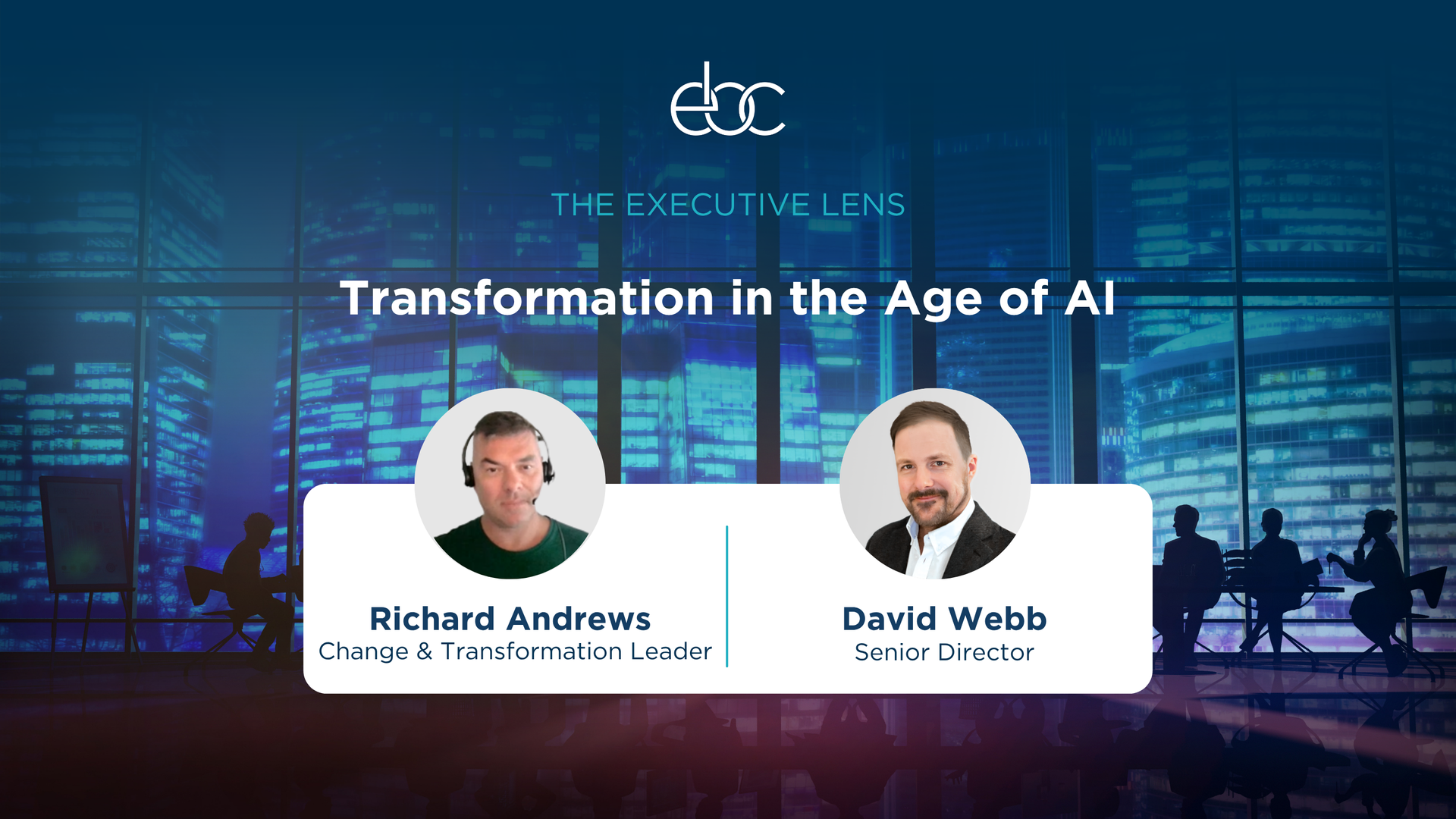
In today’s business landscape, transformation has become a constant rather than a one-time initiative. Organisations are under pressure to evolve faster than ever, driven by digital disruption, emerging technologies, and shifting customer expectations. Yet despite the growing investment in transformation programmes, many initiatives fail to deliver meaningful results. According to transformation leader Richard Andrews, the difference between success and failure often comes down to leadership clarity, stakeholder alignment, and the ability to continuously adapt. Drawing on more than two decades of experience spanning banking, consulting, digital transformation and executive leadership, Andrews shares key insights on what it really takes to lead change in today’s environment. Transformation Starts With People, Not Technology While emerging technologies, particularly AI, dominate today’s business conversations, Andrews believes organisations often misunderstand where transformation truly begins. Technology may enable change, but it does not drive it. “The number one skill you need isn’t being the best strategist or programme manager,” he explains. “It’s stakeholder management.” In large transformation programmes, misalignment between teams is one of the most common causes of failure. Different departments often focus narrowly on their own objectives rather than understanding how their work contributes to the broader programme. Successful transformation leaders take a different approach. They map stakeholders early, gather perspectives across the organisation, and surface issues openly. These conversations can be uncomfortable, but they are essential. When perception gaps between teams are addressed early, organisations can realign around shared goals and dramatically improve delivery outcomes. AI Is Accelerating Change, but most Organisations Aren’t Ready Artificial intelligence is rapidly reshaping how organisations operate, but the reality is more complex than many headlines suggest. While many companies claim to be implementing AI transformation, Andrews argues that much of the current activity remains experimental. “There are a lot of proof-of-concept projects happening,” he says. “But when you look closely, very few organisations are deploying AI at scale.” Before AI can truly transform operations, businesses must first address foundational issues such as: Migrating systems to the cloud Integrating fragmented technology platforms Ensuring clean, accessible data Streamlining internal processes Without these fundamentals in place, AI initiatives risk becoming isolated experiments rather than enterprise-wide capabilities. For transformation professionals, this means their role remains critical. Organisations still need programme leaders, change specialists, and cross-functional teams to guide the complex work required to modernise their infrastructure. The Talent Impact: White-Collar Work Is Being Rewritten One of the most significant implications of AI lies in its potential impact on professional careers. Historically, automation has primarily affected operational and administrative roles. However, AI’s ability to analyse data and support decision-making means the technology is increasingly moving into areas traditionally occupied by highly educated professionals. Roles in law, finance, consulting, and accounting could see significant shifts as AI automates large portions of routine analytical work. This shift also raises an important structural challenge for organisations. Entry-level roles have long served as training grounds for future leaders. If many of these tasks are automated, companies may struggle to develop the next generation of experienced professionals. “This could break the traditional career ladder,” Andrews notes. For individuals entering the workforce, the key will be focusing on roles that combine technical understanding with human skills, areas where collaboration, judgement, and leadership remain essential. Leadership in Transformation: Balancing Today and Tomorrow For senior leaders, particularly Managing Directors or business unit heads, transformation requires a delicate balance between operational performance and future strategy. On one hand, leaders must run a disciplined, profitable business today. On the other hand, they must continually evolve their organisation to stay relevant tomorrow. This requires constant monitoring of core business metrics, such as utilisation, revenue, pricing, and pipeline, while also identifying new opportunities for growth. “Your current products or services won’t necessarily be the ones that define your business in five years,” Andrews explains. Leaders must regularly assess where the market is heading and adapt accordingly. That may involve launching new service lines, investing in emerging technologies, or even shutting down business units that no longer deliver value. These decisions can be difficult, particularly when they involve teams that leaders have built themselves, but avoiding change often creates far greater risks. Continuous Learning Is the Real Competitive Advantage In an environment defined by rapid change, Andrews believes one mindset stands above all others, continuous learning. Throughout his career, he has consistently invested in developing new skills, whether through executive education programmes, consulting training, or learning new languages. The goal is not simply acquiring knowledge. It is maintaining mental agility. “I think continuous learning keeps your brain firing on all cylinders,” he says. “It helps you analyse problems faster and respond to challenges more effectively.” For leaders navigating complex transformation programmes, this intellectual flexibility is invaluable. The Power of Career Leaps Looking back on his own career, Andrews highlights the importance of taking calculated risks. Early in his career, he left a stable role in retail banking to join a digital agency during the early days of the internet, accepting a pay cut and losing traditional benefits in the process. The move proved transformative. It placed him at the centre of the first wave of digital innovation and set the trajectory for the rest of his career in transformation and consulting. Opportunities like this often appear risky at the time. However, they can open doors to entirely new industries and experiences. “Sometimes you have to grab an opportunity with both hands and run with it,” he says. Transformation Never Stops If there is one lesson Andrews emphasises above all others, it is that transformation is never truly finished. Markets evolve. Technology advances. Customer expectations shift. The organisations that thrive are those that embrace continuous reinvention, led by leaders who remain curious, adaptable, and focused on the future. Technology may be changing the rules of business, but ultimately the success of transformation still comes down to the same core principle. People leading change with clarity, courage, and vision. I recruit transformation and change leadership for organisations navigating complex change. If you are building this capability, or exploring your next move, I would be happy to talk. Reach out at david.webb@ethosbc.com
by Shazamme System User
•
15 June 2026
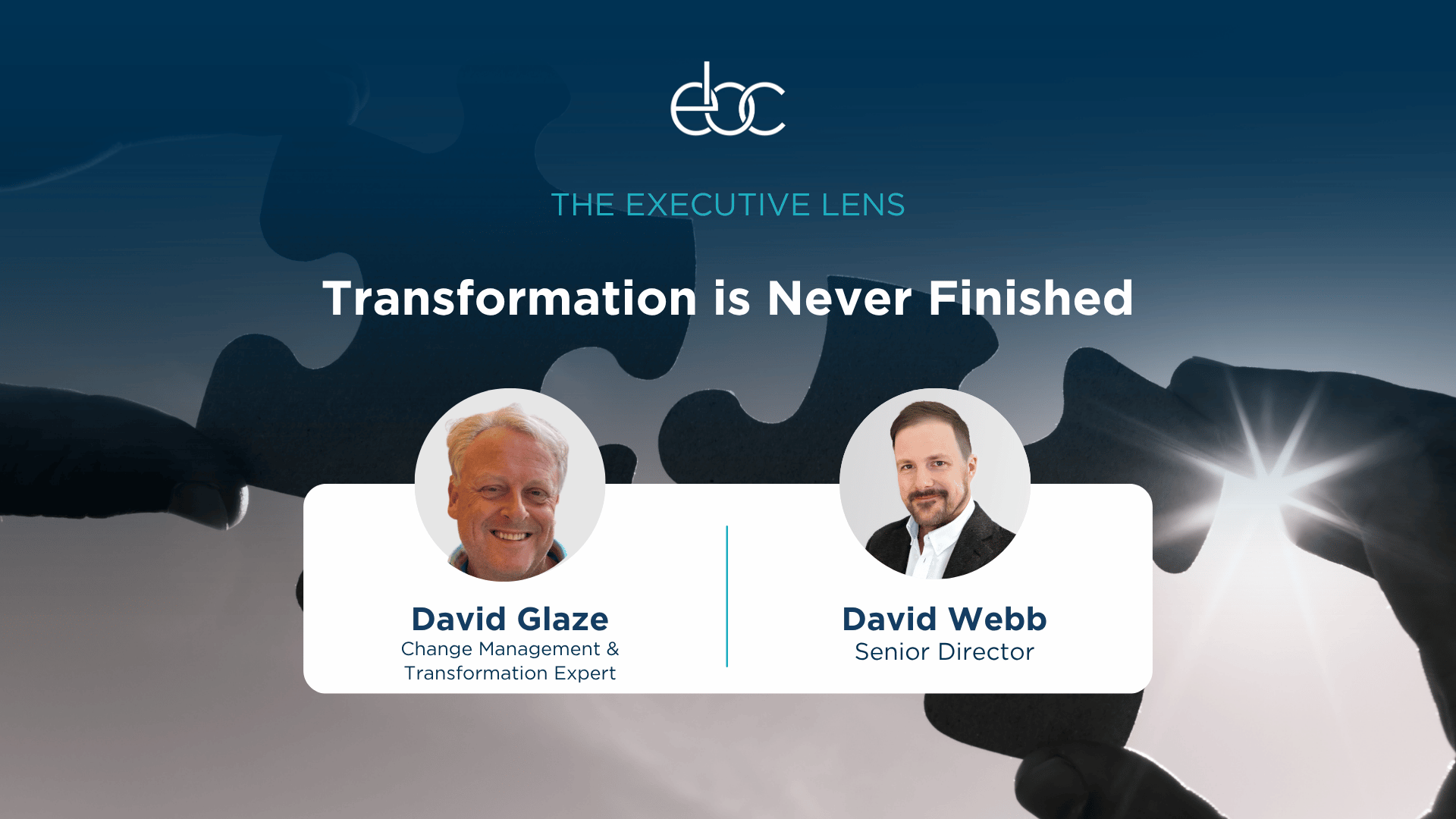
Transformation has become one of the most commonly used words in leadership conversations. Yet despite the billions invested in transformation programmes each year, many fail to deliver meaningful, lasting results. According to transformation leader David Glaze, the problem is not the ambition. It is the execution. With more than 25 years of experience across FMCG, health and beauty, consumer electronics, and satellite communications, David Glaze has spent his career helping organisations navigate change. His journey from commercial roles to leading major transformation initiatives across global markets offers valuable insight into what truly makes transformation work. From Process Curiosity to Transformation Leadership David Glaze's path into transformation was not planned. Early in his career at a large FMCG company, he found himself questioning why successful organisations still operated with inefficient processes. "I could not quite believe how poor many working practices were," he explains. "Even in hugely successful companies, there was money being left on the table because of inefficiencies." What began as curiosity, what he describes as a high level of process awareness, evolved into a professional strength: the ability to analyse systems, identify what was not working, and rebuild processes to perform better. The Power of Cross-Industry Experience One defining feature of David Glaze's career is his willingness to move across industries, from consumer goods to telecommunications and space technology. "The remarkable thing when you move industries is how similar organisations actually are," he explains. "The way companies work, or do not work, is often very transferable." But it also requires humility. Entering a new industry means not knowing the language, the terminology, or sometimes even the basics. And that, he argues, is an advantage. That position gives permission to ask questions, often the ones others are too comfortable to ask. Something as simple as asking different teams to define the word customer can reveal surprising misalignment across an organisation. Why Most Transformation Projects Fail Despite widespread investment in transformation initiatives, many fail to deliver lasting results. According to David Glaze, the problem often lies in organisations focusing too heavily on the beginning of a project and not enough on what comes after launch. "Companies spend millions designing transformation programmes," he says. "But once the project is launched, the focus shifts back to day-to-day business and the change slowly fades away." The biggest successes I have seen are initiatives that lasted decades, where the culture, the processes, and the mindset continued evolving long after the initial programme ended. Transformation should not be treated as a temporary project with a clear start and finish. It must become part of an organisation's operating philosophy. Technology Is an Enabler, Not the Solution As organisations rush to adopt digital tools and AI, David Glaze cautions against overestimating technology's role in transformation. "The correct sequence is always process first, people second, and technology third." Only once organisations fully understand their processes and people can technology effectively support change. This perspective is especially relevant right now. "AI will have a role to play. But like every new technology wave, it is often misunderstood and misapplied at first." The Real Measure of Leadership For David Glaze, the most meaningful impact of transformation lies not in profit growth or operational metrics but in developing people. "The most satisfying part of the job is helping others reach their potential." Early in his career, he tried to solve problems himself. Over time, he learned that empowering others to take ownership created far stronger and more sustainable results. "You teach people how to do it, you let them try, you let them make mistakes, and eventually they do it better than you. That is the true measure of successful leadership." I recruit transformation and change leadership for organisations navigating complex change. If you are building this capability, or exploring your next move, I would be happy to talk. Reach out at david.webb@ethosbc.com
by Shazamme System User
•
15 June 2026
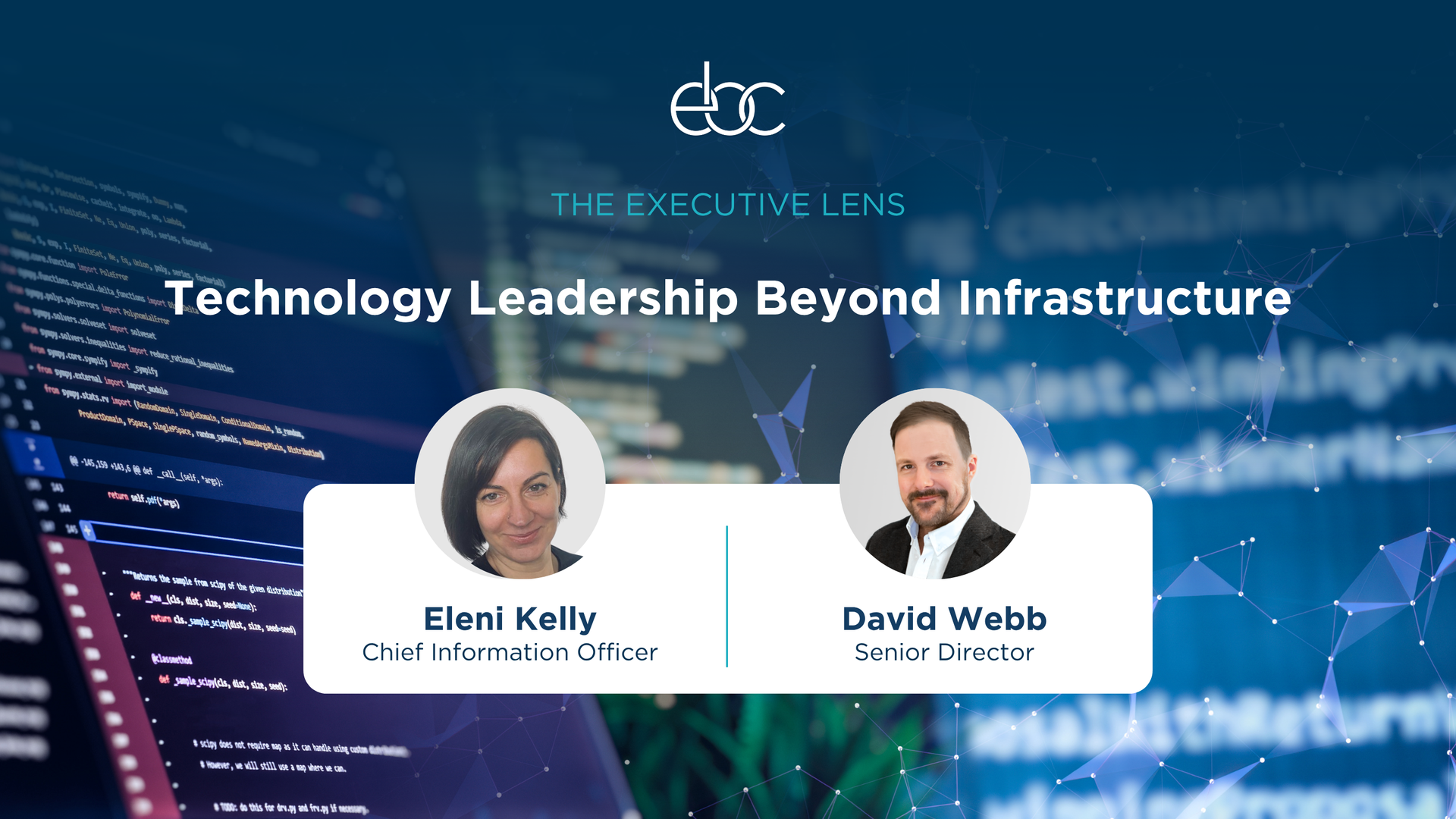
Technology leadership is at a critical inflexion point. As artificial intelligence, low-code platforms, and automation make technology more accessible than ever, the traditional boundaries of the CIO role are being redrawn. The question many organisations now face is no longer whether technology matters, but how technology leadership delivers measurable business value. According to experienced CIO Eleni Kelly, this moment represents both a risk and an opportunity. For CIOs who remain focused solely on infrastructure and operations, influence is eroding. For those who can translate technology into commercial outcomes, the role has never been more important. From Technologist to Business Leader Eleni’s career spans both the private and public sectors, with senior leadership roles across financial services, government, and complex transformation environments. Having started her career as a developer, she retains a deep technical foundation, but her leadership philosophy has evolved well beyond code. “The principles of IT don’t really change,” she explains. “What changes is the context, the stakeholders, the scrutiny, and the need to explain why something matters.” Her experience in the public sector proved particularly formative. Navigating ministers, departments, regulators, and delivery teams required a different kind of leadership, one rooted in communication, accessibility, and alignment. Technology initiatives could not succeed unless they were understood and supported at every level. That experience now shapes how she approaches CIO roles: not as a technologist protecting a domain, but as a business leader connecting the dots. Why the CIO Seat Is Under Pressure AI has fundamentally changed the technology landscape. Tools that once required deep technical expertise are now accessible to non-technical users. Board members can ask AI to explain APIs, data architectures, or integration strategies in plain language. This accessibility is powerful but it also shifts expectations. “If technology becomes understandable to everyone,” Eleni notes, “then CIOs can no longer justify their seat at the table by technical knowledge alone.” Without a clear commercial narrative, ownership of technology decisions risks drifting elsewhere — to CFOs managing cost, COOs managing efficiency, or Chief Product Officers owning innovation. The CIO becomes relegated to infrastructure oversight unless they actively reclaim strategic relevance. The answer, Eleni believes, lies in reframing the role around outcomes. From Technology Spend to Business Value One of the most persistent challenges for CIOs is securing investment in areas that are essential but not immediately visible particularly technical debt. “Technical debt is not exciting,” Eleni says. “No CFO wants to fund a server upgrade just because the code is old.” The mistake many organisations make is framing these conversations in technical terms. Faster code or cleaner architecture rarely resonates outside IT. What does resonate is risk reduction, resilience, scalability, and enablement. Whether it is reducing exposure to cyber threats, enabling AI adoption through better data foundations, or improving customer experience through modern platforms, technical debt must be translated into business impact. In this sense, the CIO becomes a storyteller not in abstract terms, but in commercial language that aligns technology decisions to organisational priorities. Architecture, Governance, and the Long View As low-code platforms and “citizen developers” become more prevalent, Eleni sees governance and architectural clarity as more important than ever. “Accessibility doesn’t remove complexity,” she explains. “It changes who can create it.” Without strong architectural oversight, organisations risk fragmented systems, inconsistent data, and hidden long-term costs. The CIO’s role is to hold an end-to-end view, ensuring innovation happens within a framework that supports scale, security, and sustainability. This also reshapes the relationship between CIOs, CTOs, and Chief Product Officers. While the CTO may build the engine and the product team defines features, the CIO ensures the organisation can actually run the car — safely, efficiently, and with a clear destination in mind. Leadership, Impact, and the Human Dimension For Eleni, technology leadership has always been about more than systems. One of the defining moments of her career came outside the corporate environment, when she served as a digital governor at a primary school during the early stages of COVID-19. By enabling access to digital learning tools for children who would not otherwise have had them, technology became tangible in its impact. “That’s when it really hit me,” she reflects. “This isn’t just about building systems. This is about changing lives.” That perspective underpins her leadership approach today. Technology must be purposeful. If what is being built does not materially improve outcomes for users, customers, or communities, then it is worth questioning whether it should be built at all. What CIOs Must Get Right When asked about the non-negotiables for modern CIOs, Eleni is clear: Commercial fluency — understanding financial metrics, P&L dynamics, and how the business wins and loses clients Client proximity — spending time with customers to understand whether technology is actually delivering value Narrative ownership — explaining technology in outcomes, not abstractions Depth with curiosity — maintaining technical credibility while remaining open to change In an era where technology roles are increasingly blurred, these capabilities differentiate leaders who remain influential from those who become marginalised. What This Means for Hiring The traditional CIO profile is no longer sufficient. Organisations navigating AI adoption, digital transformation, or complex change need technology leaders who can operate as full business partners. They need CIOs who: Translate complexity into clarity Balance innovation with governance Connect technology investment to commercial outcomes Lead across functions, not just IT At EBC, we work closely with boards, executive teams, and founders to identify technology leaders who can operate effectively at these inflexion points, where judgement, communication, and strategic alignment matter as much as technical expertise. This article forms part of EBC’s ongoing leadership series exploring how executive roles are evolving in response to structural change across technology, finance, and growth. I recruit transformation and change leadership for organisations navigating complex change. If you are building this capability, or exploring your next move, I would be happy to talk. Reach out at david.webb@ethosbc.com
by Shazamme System User
•
15 June 2026
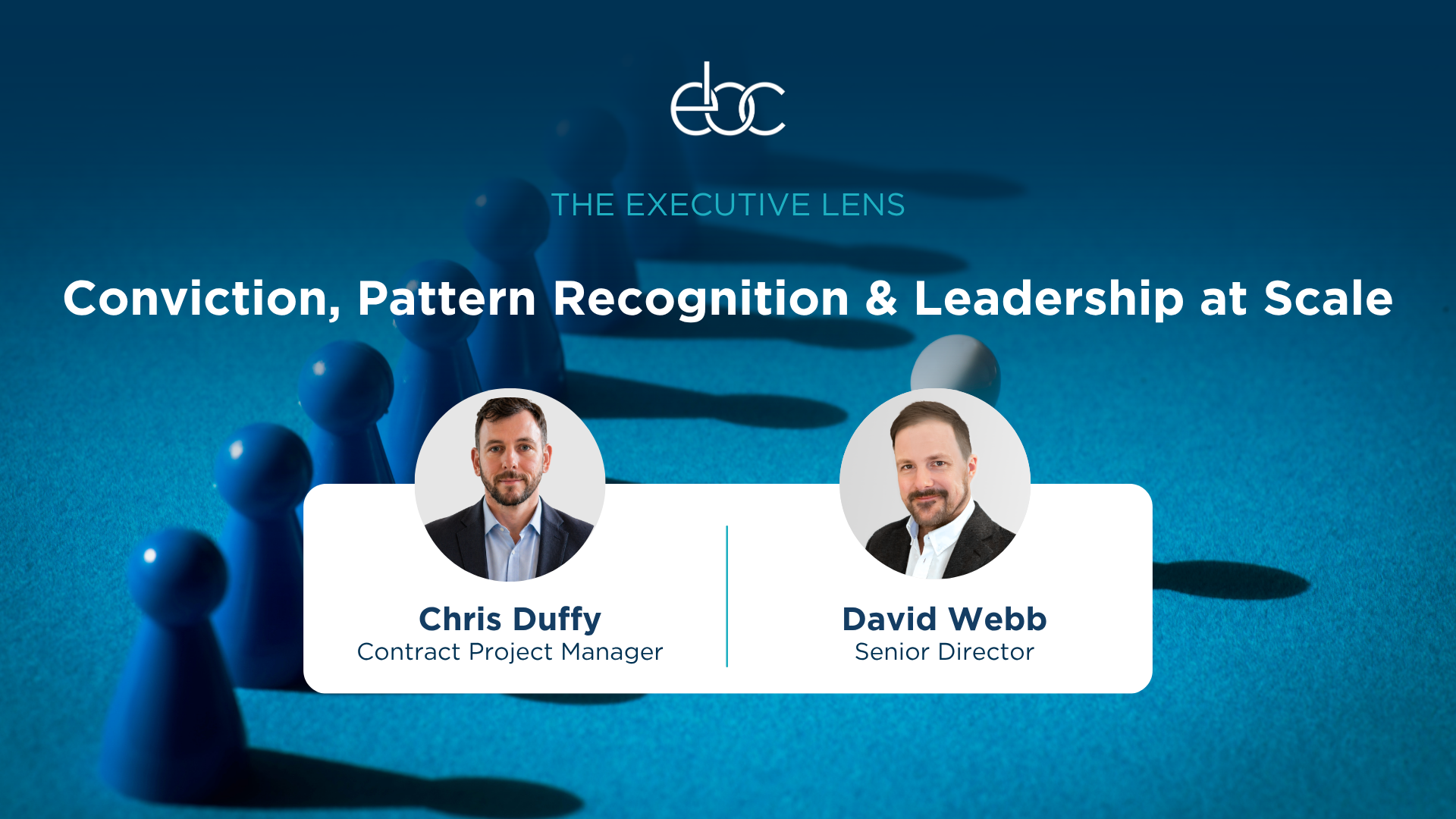
In venture and growth investing, access to capital is no longer the differentiator. Information is abundant, AI can analyse markets in seconds, and data rooms are increasingly standardised. What remains scarce is judgement. In a recent conversation as part of EBC’s executive leadership series, Chris Duffy shared his perspective on how experienced investors separate signal from noise, and why leadership quality remains the single greatest predictor of long-term success. Pattern Recognition Over Hype The pace of technological change has accelerated dramatically. AI in particular has created a surge of opportunity, and a surge of noise. For seasoned investors, the challenge is not understanding the technology itself. It is recognising where durable value will be created versus where enthusiasm will outpace execution. Pattern recognition plays a critical role. Leaders who have experienced multiple market cycles develop an instinct for the difference between: Sustainable advantage and short-term momentum Genuine product-market fit and polished storytelling Structural innovation and incremental iteration This does not mean avoiding risk. It means calibrating conviction. Leadership Quality as the Core Variable Across sectors and cycles, one factor consistently outweighs others: leadership capability. Strong founders and executive teams demonstrate: Clarity of thought under pressure Intellectual honesty about risk The ability to adapt strategy without abandoning direction Operational discipline alongside vision Technology can be replicated. Capital can be raised. Markets evolve. But leadership maturity — particularly in moments of stress is far harder to manufacture. As Chris emphasises, early signals of resilience, accountability, and learning agility often determine whether a business compounds value or stalls when conditions tighten. Execution Discipline Beats Vision Alone Ambition is expected. Every founder can articulate a large total addressable market. What distinguishes scalable businesses is execution discipline. Investors increasingly scrutinise: Capital efficiency Hiring quality and team composition Product focus versus feature sprawl Governance and reporting clarity Growth at any cost is no longer a sustainable thesis. Instead, boards and investors are prioritising durable unit economics and operational control. This shift has implications for executive hiring. Leaders who thrive in high-liquidity environments are not always the same leaders required during consolidation or recalibration phases. The Role of AI in Investment Decision-Making AI tools have enhanced diligence processes, accelerating research, surfacing comparable data, and stress-testing scenarios. But they do not replace judgement. Data volume has increased. Decision quality still depends on interpretation. Experienced investors understand that models are only as strong as the assumptions underpinning them. Human judgement remains central in assessing founder credibility, team dynamics, and cultural resilience, variables that rarely appear neatly in spreadsheets. What This Means for Boards and Founders As capital becomes more selective, boards are reassessing what “investable leadership” looks like. Increasingly, they are prioritising: Commercial rigour alongside innovation Clear communication with stakeholders Financial fluency at executive level Leaders who understand governance expectations early Adaptability without strategic drift In short, capital is aligning with competence. For founders, this means building teams capable not only of scaling products, but of sustaining organisational maturity. The Hiring Implications For investors and scaling companies alike, leadership selection has become more forensic. It is no longer sufficient to hire for pedigree or prior brand exposure. Boards are looking for executives who: Demonstrate pattern recognition and informed conviction Understand capital allocation discipline Operate effectively in ambiguity Build high-performance cultures Communicate with credibility across investors, employees, and customers At EBC, we work closely with investors, boards, and executive teams to identify leaders who can operate at these moments of inflexion where strategic judgement, operational discipline, and cultural resilience define long-term outcomes. This article forms part of our ongoing leadership series exploring how executive roles across technology, finance, and growth are evolving in response to structural market shifts. I recruit transformation and change leadership for organisations navigating complex change. If you are building this capability or exploring your next move, I would be happy to talk. Reach out at david.webb@ethosbc.com
by Shazamme System User
•
15 June 2026
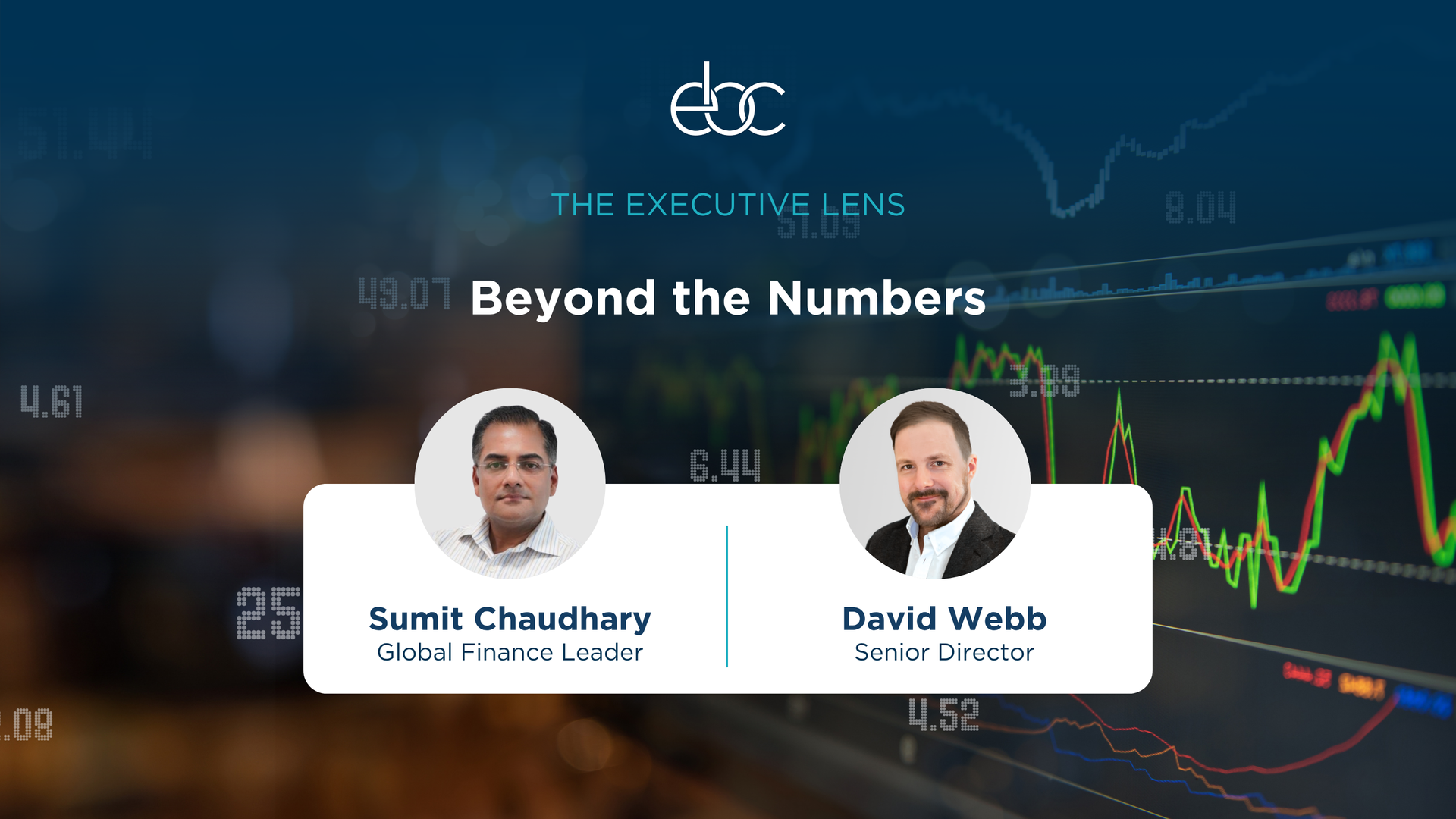
In today’s environment of rapid growth, data overload, and constant disruption, the role of the CFO has evolved far beyond traditional finance stewardship. According to global finance leader Sumit Chaudhary, the modern CFO’s mandate is clear: understand the business deeply, drive value intentionally, and lead with clarity under pressure. With over two decades of experience across e-commerce, retail, technology, and SaaS, Sumit has operated in hypergrowth environments, stressed organisations, and large-scale multinational businesses. His career has centred not just on building robust finance functions, but on shaping strategy, capital allocation, and long-term value creation. Finance Beyond the “Factory” Sumit describes traditional finance operations as the “finance factory”, ensuring the books close, compliance is met, and reporting runs efficiently. But he is clear that this is only the foundation. “The real role of a finance leader is less about managing the factory and more about understanding the core drivers of the business and influencing them.” His background in sales and marketing earlier in his career gave him a perspective that many finance leaders lack. It allows him to sit across from commercial teams not just as a controller of numbers, but as a strategic partner who understands market dynamics, competitive positioning, and revenue realities. For clients seeking CFOs who can bridge commercial and financial thinking, this distinction matters. Career Acceleration: Go After Problems When reflecting on what accelerated his progression to senior finance leadership, Sumit points to one consistent theme: “Don’t go after titles. Go after problems.” Early in his career, a mentor advised him to seek out the most complex, ambiguous situations because solving problems builds credibility, capability, and resilience. Rather than avoiding difficult assignments, he leaned into them. This mindset of taking ownership in hypergrowth, restructuring, or uncertain environments has shaped his leadership profile and is often what differentiates strong operators from true strategic leaders. The Critical “Get Rights” for Today’s CFO For organisations hiring senior finance talent, Sumit believes there are several non-negotiables: Know the Business, Completely Understanding the business goes beyond market positioning. It requires a full 360° grasp of: P&L drivers Unit economics Cash generation dynamics Value flow across the organisation Without this depth, finance remains reactive. Credibility Under Pressure Disruption is inevitable, whether industry-driven, macroeconomic, or internally triggered. A CFO must be able to: Isolate signal from noise Use data with clarity Stay calm in high-stakes moments Communicate confidently to stakeholders In volatile environments, composure becomes a strategic asset. Storytelling Is Table Stakes, Delivery Is the Differentiator While many CFOs are now described as “storytellers”, Sumit believes that is only the beginning. “The question isn’t whether you can tell the story. It’s whether you are part of delivering it.” Finance leaders must move beyond insight to execution, partnering with the business to shift outcomes, not just explain them. Building High-Performance Finance Teams As his career evolved from individual contributor to global finance leader, his approach to team building became equally important. Three principles guide his leadership: Treat your team the way you wish to be led Create space for intellectual honesty and challenge Relentlessly prioritise and empower others to say no By encouraging disagreement and fostering curiosity, he builds teams that think critically rather than operate transactionally. In increasingly complex organisations, this cultural foundation becomes a multiplier. The Future of the Finance Function Looking ahead, Sumit sees four defining trends shaping the CFO role over the next decade: The Data Deluge With exponential growth in available data, both AI-generated and human-driven, the ability to distinguish insight from noise will become a critical leadership skill. Automation of Repetitive Tasks As AI and machine learning codify routine processes, finance professionals must shift toward creativity, judgement, and higher-value decision-making. Human and Machine Collaboration The next evolution is not just digital transformation, it is learning to work effectively alongside intelligent systems while leading human teams. Continuous Learning as a Strategic Imperative Curiosity, adaptability, and intellectual humility will define long-term leadership relevance. For organisations building future-ready finance functions, these capabilities are increasingly non-negotiable. What This Means for Hiring Clients seeking senior finance leadership today are not simply hiring for technical competence. They are hiring for: Commercial fluency Strategic clarity Resilience under pressure Cultural leadership The ability to turn insight into action At EBC, we work closely with high-growth and multinational organisations to identify finance leaders who combine operational discipline with strategic influence. The CFO role has changed. The expectations have risen. And the talent market reflects that shift. If you are assessing your finance leadership capability for the next phase of growth, we would be pleased to share further insight into the calibre of leaders currently available in the market.
by Shazamme System User
•
15 June 2026
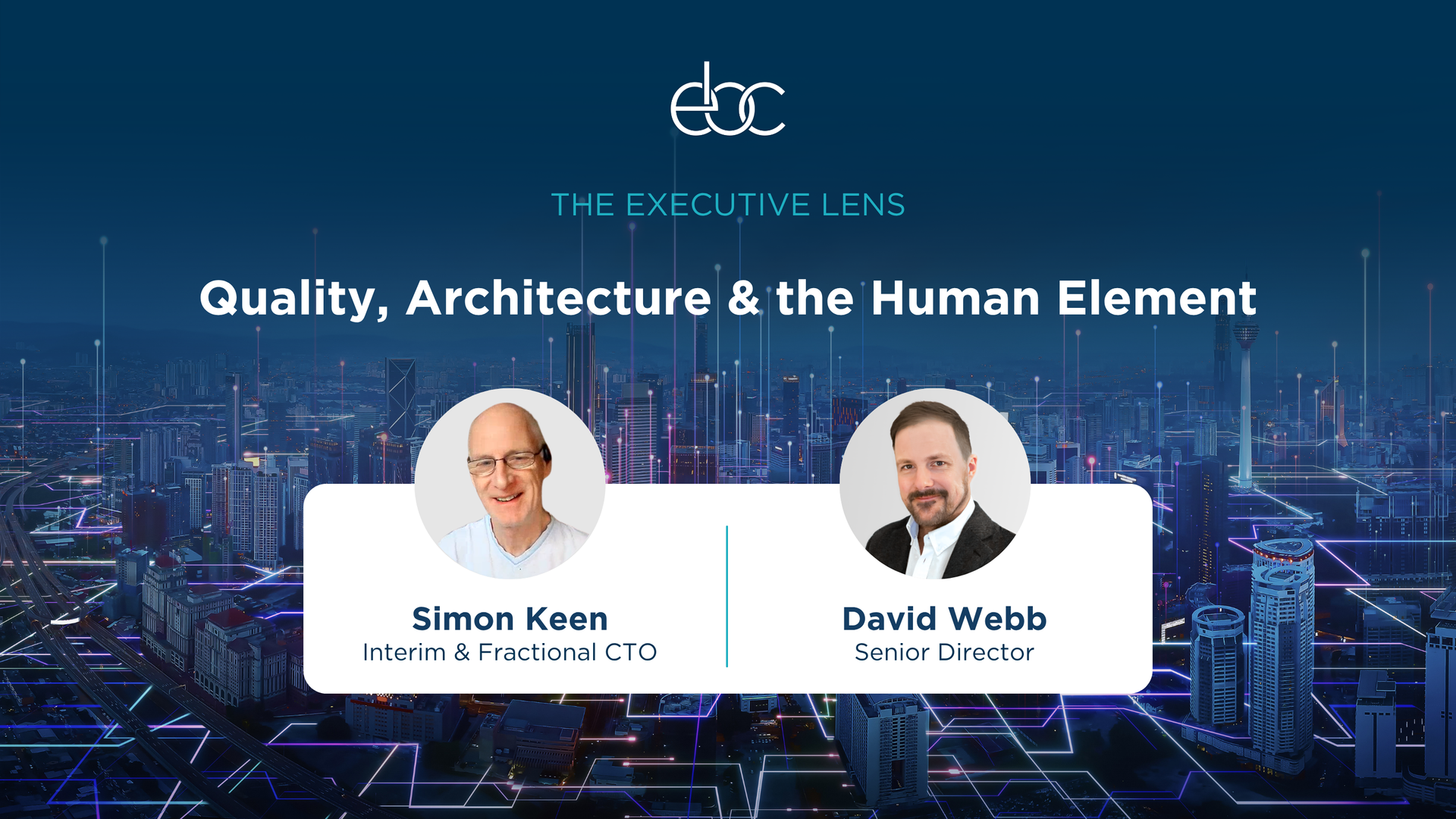
In fast-moving tech environments, it’s easy for leaders to chase speed, innovation, and AI hype. But according to an expert in the field, Simon Keen, the real differentiator isn’t velocity; it’s quality, architecture, and people. Simon breaks down the critical gaps he sees inside engineering organisations and the human skills that define great technical leadership. The CTO as Translator, the Most Underrated Role in Tech As an interim CTO, Simon often steps into chaotic environments: unclear roadmaps, rushed builds, and teams under pressure. His job? Translate technical reality into business language. From timelines to budgets to feasibility, the CTO must explain “why things work the way they do” to non-technical stakeholders and protect teams from unrealistic expectations. It’s not just engineering leadership. It’s communication, negotiation, and problem-solving at scale. The Quality Crisis: When Software Becomes Invisible, Standards Drop One of Simon’s biggest concerns is the industry-wide decline in quality. Software is intangible, executives can’t “see” engineering progress like bricks on a building and that leads to: Unrealistic deadlines Cutting corners Over-prioritising speed Falling for hype cycles (especially AI) When quality slips, consequences become severe, from business outages to real-world harm. Architecture & Planning: The Real Hard Work (Not the Coding) For Simon, the single most important success factor is product management, knowing exactly what you’re building and why before writing a line of code. Key principles he believes every organisation must get right: Architect for 3–5 years ahead Avoid short-termism — “rush jobs” destroy structure Treat software like building a housing estate, not a shed Prioritise continuous improvement Remember: coding is the easy part — design is the real challenge His approach works, Simon once delivered a major network management system 10% under cost with only two minor bugs in 18 months. Quality isn’t slow, bad planning is. The Human Element: Know Yourself to Lead Well Simon credits his dyslexia as his “secret weapon” giving him strong conceptual thinking and an extraordinary memory for past projects. But his broader message is universal: Great tech leaders know themselves. They understand their strengths, weaknesses, motivations, and limits. They stay curious, ask “why,” and constantly challenge assumptions. In an industry that moves fast, the ability to learn about technology and about yourself becomes a strategic advantage. What This Means for Hiring Organisations chasing AI maturity or engineering excellence often overlook the fundamentals that Simon champions: Strong product management Clear technical communication High-quality architecture Leaders who can translate between tech and business Teams who value continuous improvement Individuals with curiosity and self-awareness These aren’t easy skills to find, and the gap is widening. We work closely with founders, CTOs, and tech leaders to identify engineering and product talent who can deliver not just speed, but scalability, quality, and long-term value.
by Shazamme System User
•
29 May 2026
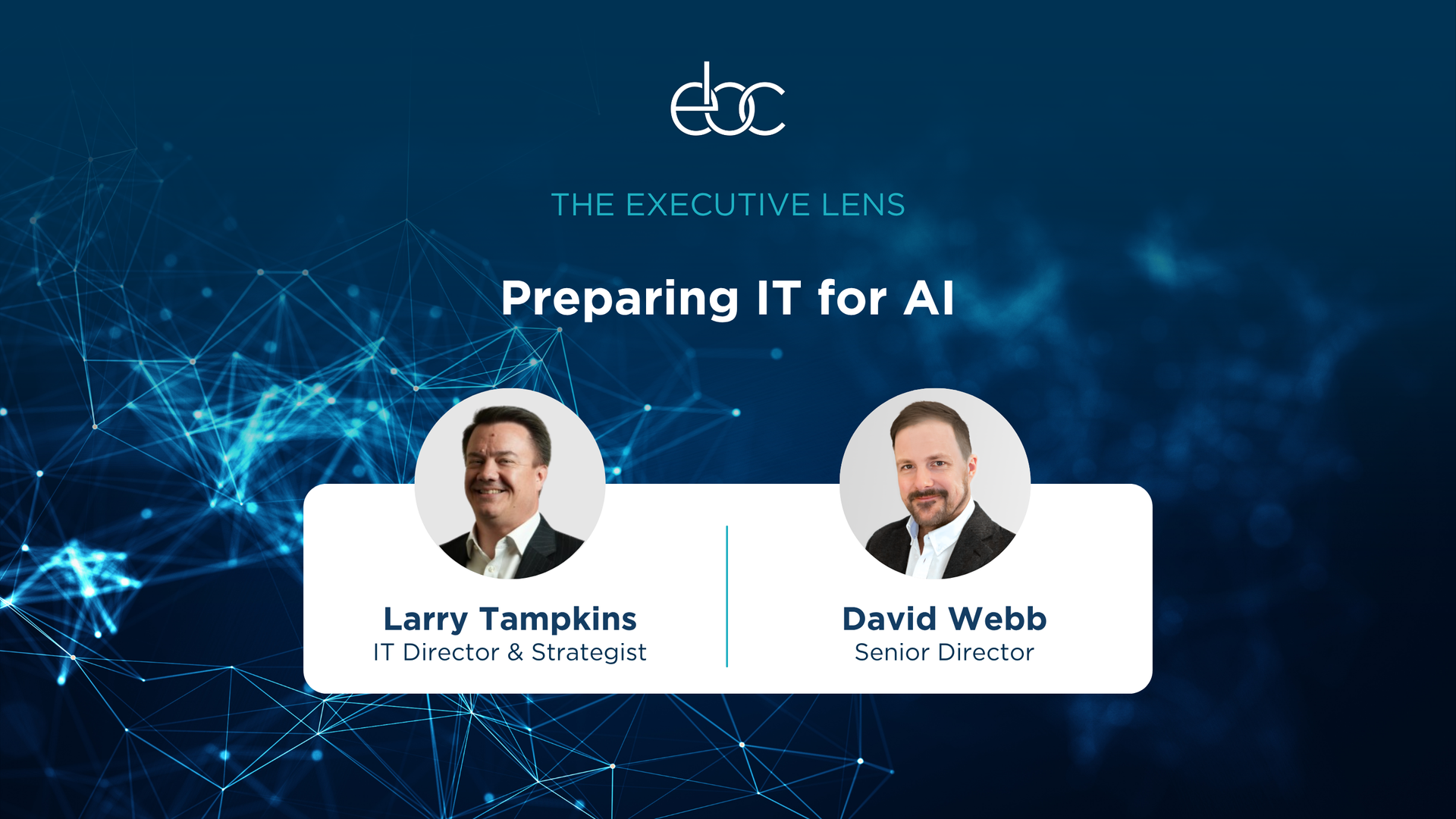
Larry Tampkins shares why most organisations are not truly prepared for AI, and why clean data, scalable systems, and strong communication are critical foundations for successful AI adoption.
Latest Reports
by Shazamme System User
•
30 September 2026
That didn’t work.
by Shazamme System User
•
30 September 2026
That didn’t work.
Industry Insights
Upcoming Events

by Shazamme System User
•
18 August 2026
Event Overview Trivia night is back! EBC's Contracting & Interim Solutions team is proud to host another round of trivia. Put your knowledge to the test across a mix of questions, from general knowledge to contracting insights, EBC fun facts, pop culture, and more. Whether you’re competitive by nature or just in it for the laughs, there’s something for everyone. Enjoy canapés, drinks, and the opportunity to connect with fellow professionals in a relaxed setting. Expect friendly competition, engaging conversations, and a fun way to unwind after work. Date: Thursday, 1st October 2026 Time: 6 :00 PM* – 8:30 PM Location: EBC Office, Twenty Anson, #19-01 *Registration starts at 6pm We look forward to seeing you there! The EBC Team